Guest appearances
David Fakunle, Ph.D.Every podcast appearance, updated as new ones drop
Podcast guest — appeared on The Truth In This Art: Stories That Matter.
- Episodes
- 2
- Shows
- 1
- Hours
- ~3
Tracked from 28 Feb 2024 to 2 Jun 2026
Recent guest appearances
Show 2 episodes — hide
- Dr. David O. Fakunle II on Art, Storytelling, Health Equity, and the Power of Narrative
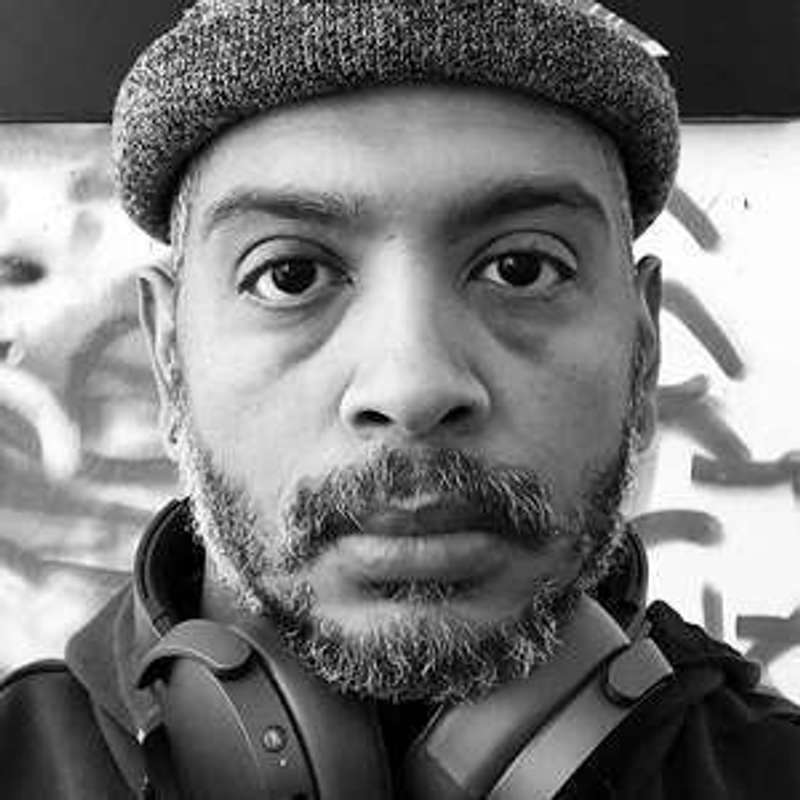
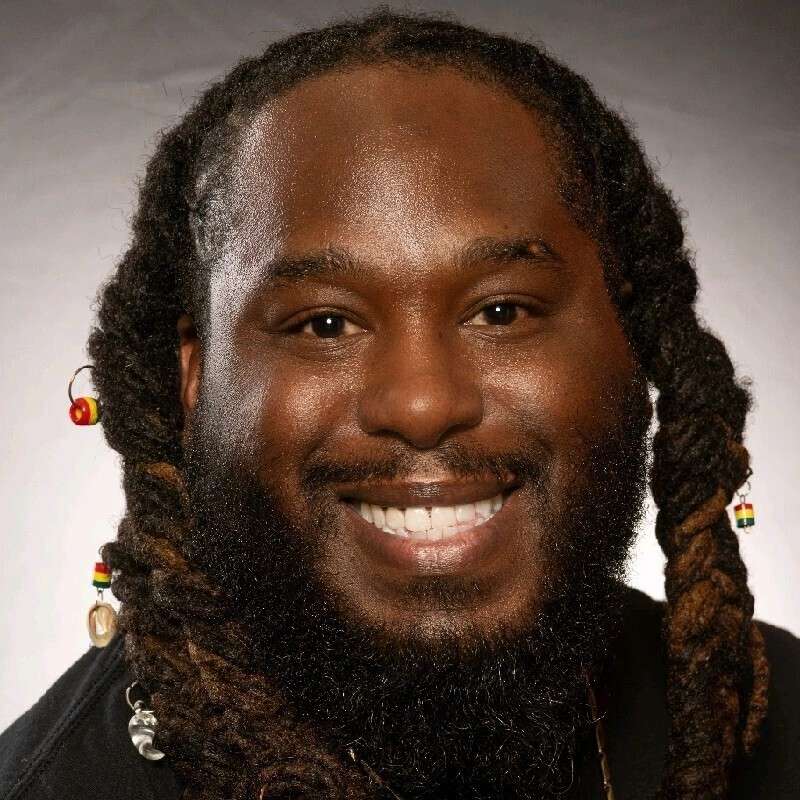
In this episode of The Truth In This Art, the guest is Dr. David O. Fakunle II! About Dr. David O. Fakunle II: Dr. David Fakunle II is a Baltimore native, academic, and self-described mercenary for change and celestial body for change who has spent 25 years using art and storytelling for liberation. He is an assistant professor at Morgan State University in the School of Community Health and Policy and associate faculty at Johns Hopkins Bloomberg School of Public Health . He serves as director of the TEACH Division (Transforming Equity through Arts, Culture and Health) at the National Great Blacks in Wax Museum , working intentionally at the intersection of arts, culture, and health. We talk about his evolution as a mercenary and celestial body for change, his role in developing the Urban Cipher game (originally called the Game of Appreciation) during his postdoc at Morgan State University —a Monopoly-style game that models how inequities are built into systems. He discusses his contribution to the paper "Life as We Tell It: A Revolution Through Narratives and Creative Expression," which explores narrative as a determinant of health, and his framework for understanding data: stories are qualitative data that answer "how" and "why," while quantitative data answers "who, what, where, when." Fakunle shares insights from his recent work at the National Academy of Medicine in DC on a national initiative to build trust between communities and health science. He reflects on teaching his 16-person qualitative research class and helping students understand that AI cannot replicate context—only humans can bring meaning and circumstances to statistics. He introduces his concept of the "existential determinants of health"—five universal virtues all humans want: to be acknowledged, appreciated, respected, understood, and loved. He emphasizes the need to embrace stories, not just tolerate them, because "in the stories are your answers," and discusses how storytellers preserve and uplift context in ways that institutions and policy makers need to understand. We also talk about what this work has taught him, the importance of time as the greatest teacher, showing up in person, trusting others to tell his story, and why physical presence still matters in an increasingly digital world. Photo courtesy of subject. The Truth In This Art is supported by William G. Baker, Jr. Memorial Fund , the Maryland State Arts Council's Creativity Grant and Mayor's Individual Artist Award - Creative Baltimore Fund (Baltimore) . Host : Rob Lee Music: Original music by Daniel Alexis Music</a
- Dr. David O. Fakunle: Using Storytelling to Address Issues of Race and Mental Health
In this episode of The Truth in This Art podcast, host Rob Lee interviews Dr. David O. Fakunle, a Baltimore native and self-described mercenary for change. They discuss the power of storytelling in addressing issues of race and mental health, Dr. Fakunle's personal journey, and the importance of authenticity in storytelling. 🎙️🌍 Episode Highlights: Introduction to Dr. David O. Fakunle and his work as a mercenary for change. (00:00:10-00:00:30) 🎤 Dr. Fakunle's upbringing in a family of creatives and the influence of his mother and godparents. (00:02:06-00:04:54) 🏡👩👧👦 The revelation of using storytelling in a public health context. (00:05:25-00:06:39) 💡 The concept of being a mercenary for change and the importance of authenticity in storytelling. (00:09:28-00:11:48) 💪📖 The role of storytelling in understanding, addressing, and dismantling complex racial issues. (00:30:05-00:36:04) 📚🤝 Key Takeaways: Storytelling is a powerful tool for addressing issues of race and mental health. 🗣️💬 Authenticity is crucial in storytelling, allowing individuals to share their truth and be unapologetic about their experiences. 🙌 Storytelling can humanize individuals and challenge stereotypes and stigmas associated with addiction and mental health. 🌐❤️ Qualitative research and storytelling provide a more comprehensive understanding of health issues compared to quantitative data alone. 📊📚 Visit Dr. David O. Fakunle's website to learn more about his work and upcoming projects. 🌐🔗 Social Media Links: Facebook: DiscoverME/RecoverME Instagram: discovermerecoverme LinkedIn: David Fakunle, Ph.D. Hey there, amazing listeners! We hope you enjoyed this insightful episode with Dr. David O. Fakunle . Now, we have a small request for you. 🙏 📝🌟 If you found this episode valuable and thought-provoking, we would greatly appreciate it if you could take a moment to rate and review the podcast. Your feedback helps us improve and reach more people who can benefit from these important conversations at the intersection of arts, culture, and community. 🌟📝 Additionally, if you would like to support the podcast and help us continue bringing you engaging content, please consider becoming a patron on our Patreon page . Your contribution will directly contribute to the production and growth of the show. 🤝💰 Thank you for being a part of our commu
Stay in the loop
Get David Fakunle, Ph.D.'s next appearance by email
No app to install. We email you as soon as a new guest spot drops.
Prefer it in your podcast app? Add a private feed →
GuestVine has tracked 2 guest episodes from David Fakunle, Ph.D. across one show — about 3 hours of listening, going back to February 2024. Every episode links straight to the original publisher's audio.
All of them are episodes of The Truth In This Art: Stories That Matter.
Most recent: “Dr. David O. Fakunle II on Art, Storytelling, Health Equity, and the Power of Narrative” on The Truth In This Art: Stories That Matter, 2 Jun 2026.
Podcasts David Fakunle, Ph.D. has appeared on
The shows with the most detected David Fakunle, Ph.D. guest appearances.
Appearance timeline
How often David Fakunle, Ph.D. has guested over time — by quarter, from tracked appearances.
David Fakunle, Ph.D. has appeared on 2 recent podcast episodes. GuestVine keeps this list complete and up to date — new appearances are added automatically and delivered to the podcast player you already use.
Frequently asked
- What podcasts has David Fakunle, Ph.D. been on?
- David Fakunle, Ph.D. has appeared on 2 recent podcast episodes across 1 show, including The Truth In This Art: Stories That Matter.
- What is David Fakunle, Ph.D.'s latest podcast appearance?
- The latest detected appearance is “Dr. David O. Fakunle II on Art, Storytelling, Health Equity, and the Power of Narrative” on The Truth In This Art: Stories That Matter, published 2 Jun 2026.
- How many hours of David Fakunle, Ph.D. podcast interviews are there?
- GuestVine has tracked about 3 hours of David Fakunle, Ph.D. guest appearances across 2 episodes, going back to 28 Feb 2024.
- How does GuestVine keep this list updated?
- GuestVine tracks delivered guest appearances, excludes own-show episodes where possible, and links back to the original publisher audio. New appearances are added automatically as they are detected.
Are you David? Add your live appearances to your site →
This page updates automatically every time David guests on a podcast. Link it from your site or bio so your audience always finds your latest appearances — and share it anywhere:
Paste this link into your site
<a href="https://guestvine.fm/p/david-fakunle-ph-d">David Fakunle, Ph.D. — podcast appearances</a>