
Guest appearances
Anna LembkeEvery podcast appearance, updated as new ones drop
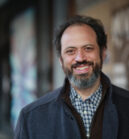
Stanford addiction psychiatrist, author of Dopamine Nation, prolific podcast guest
- Episodes
- 29
- Shows
- 27
- Hours
- ~25
Tracked from 6 Nov 2021 to 3 Mar 2026
Recent guest appearances
Show 29 episodes — hide
- When Your Kids Won’t Put Their Phones Down, with Oprah & Addiction Specialist Dr. Anna Lembke
Millions of parents and educators are in an overwhelming struggle to get children and teens to put their smartphones down or stop watching a screen on a tablet. To uncover what is at the root of an issue that is wreaking havoc at home and at school, Oprah sits down with Dr. Anna Lembke, a psychiatrist and Chief of the Stanford Addiction Medicine Dual Diagnosis Clinic. Dr. Lembke, author of the New York Times mega-bestseller Dopamine Nation: Finding Balance in the Age of Indulgence, explains why smartphones and tablets should be thought of as providing “digital drugs,” while describing the devastating impact these “drugs” are having on the still-developing brains of young people. Dr. Lembke and Oprah answer questions from mothers who are desperate for help managing their children’s screen addictions. Plus - British actress, Royal Family Member and Patron of Close Screens Open Minds Sophie Winkleman joins from London to talk about why she believes tech in schools has been disastrous for students and is destroying the education system from within. 'Dopamine Nation' by Anna Lembke Chapters: 00:00:00 - Welcome Dr. Anna Lembke, author of “Dopamine Nation” 00:03:00 - Reframing digital media as a drug 00:08:30 - Smart phones are modern day hypodermic needles 00:09:15 - Addiction definition 00:12:10 - Kids experiencing craving and withdrawal 00:17:00 - Mom of 2 girls wants to know if they are addicted 00:27:15 - Managing teens devices 00:36:15 - How to help college-aged kids 00:42:00 - Actress Sophie Winkleman on ed tech 00:45:00 - Screens in schools 00:48:00 - Distracted kids don’t know how to learn 00:50:00 - Regulating tech for kids Subscribe: https://www.youtube.com/@Oprah?sub_confirmation=1 Follow Oprah Winfrey on Social: https://www.instagram.com/oprahpodcast/ https://www.facebook.com/oprahwinfrey/ Listen to the full podcast: https://open.spotify.com/show/0tEVrfNp92a7lbjDe6GMLI https://podcasts.apple.com/us/podcast/the-oprah-podcast/id1782960381 Learn more about your ad choices. Visit megaphone.fm/adchoices
- Can Intimacy Survive Porn, Drinks and Phone Addictions? ft. Dr Anna Lembke
Thanks to Cozy Earth for sponsoring this video. Go to cozyearth.com/LOVERS for up to 20% off! —----------------------- In this episode of Lovers , I share something personal: the ways my own social media habit began affecting my presence, my focus, and ultimately my intimacy. Jared joins the conversation to reflect on the intervention he had with me when he realized my relationship with my phone wasn’t just a habit, it was beginning to shape our connection. Then we’re joined by psychiatrist and Dopamine Nation author Dr. Anna Lembke , who explains why addiction today looks different than it did even a generation ago. We live in a world where high-dopamine substances and behaviors, from alcohol and porn to social media, smut, gaming, and endless scrolling, are instantly accessible and socially normalized. Dr. Lembke breaks down how these habits rewire the brain’s reward system, dull pleasure, increase craving, and quietly erode intimacy. We talk about porn addiction, phone addiction, alcoholism, erotic content consumption, and the broader crisis of overconsumption that defines modern life. Most importantly, Dr. Lembke offers practical tools, many of which she teaches in her class on MasterClass and outlines in Dopamine Nation , to help us reset our dopamine systems and reclaim our relationships. This isn’t just an episode about addiction. It’s about presence, connection, and what it takes to love well in the most addictive era in human history. To Watch Dopamine on MasterClass go to http:// masterclass.com/lovers (this link will get you 15% off an annual plan to watch over 200 classes there including mine) Follow Dr. Anna Lembke Dr. Anna Lembke is a Stanford psychiatrist and New York Times bestselling author specializing in addiction, dopamine science, and behavioral health. Official Website → https://www.annalembke.com Bestselling Book → Dopamine Nation: Finding Balance in the Age of Indulgence https://www.barnesandnoble.com/w/?ean=9781524746728 Stanford Profile → https://med.stanford.edu/profiles/Anna_Lembke Watch her class on MasterClass → http:// masterclass.com/lovers Want more Lover? Receive the weekly Love Letter → http://loversbyshan.com/newsletter Join the Lovers Community → https://www.loversbyshan.com/community Explore quizzes and worksheets → http://loversbyshan.com/quizzes If you haven’t subscribed to Lemonada Premium yet, now’s the perfect time → lemonadapremium.com See omnystudio.com/listener for privacy information. Learn more about your ad choices. Visit megaphone.fm/adchoices
- How We've 'Drugified' Our Entire Existence: Dopamine & Addiction In the Digital Age with Anna Lembke
Dopamine: the most famous neurotransmitter that regulates pleasure, motivation, and (perhaps most importantly) addiction. When examining why our society is hooked on consuming more and more of everything – food, clothes, videos, news, vacations – it's imperative to look at how our modern environments hijack our brain's dopamine, sending it into overdrive at nearly every turn. Could taking a closer look at how our societal norms make us more vulnerable to addiction help us transition to more balanced and mindful lifestyles? In this episode, Nate is joined by New York Times bestselling author and professor of psychiatry, Anna Lembke, to explore how modern society has "drugified" our lived experience through digital media, processed foods, and instant gratification, resulting in an environment that propagates addiction. She explains how dopamine works as our brain's reward signal and why our ancient wiring is mismatched for today's level of high-dopamine stimuli in everyday life – leading to tolerance, withdrawal, and even anhedonia. Ultimately, Anna emphasizes that addiction is not a personal failing but a predictable response to an environment designed to take advantage of our brain's neurochemistry. What are the key practices individuals can use to reduce their addictive tendencies, even as our culture continues to prioritize quick dopamine hits and consumption? How long does it take to see the positive effects after moving away from the stimulus related to our addictive behavior? Lastly, if we acknowledge that information alone isn't enough, what cultural shifts can we make to foster more connection, digital mindfulness, and authenticity, in order to return to a slower, lower throughput way of living? (Conversation recorded on November 18th, 2025) About Anna Lembke: Anna Lembke is professor of psychiatry at Stanford University School of Medicine and chief of the Stanford Addiction Medicine Dual Diagnosis Clinic. As a clinician scholar, she has published more than a hundred peer-reviewed papers, book chapters, and commentaries. She sits on the board of several state and national addiction-focused organizations, has testified before various committees in the United States House of Representatives and Senate, and maintains a thriving clinical practice. In 2016, she published Drug Dealer, MD – How Doctors Were Duped, Patients Got Hooked, and Why It's So Hard to Stop, which was highlighted in the New York Times as one of the top five books to read to understand the opioid epidemic. Dr. Lembke also appeared on the Netflix documentary The Social Dilemma, an unvarnished look at the impact of social media on our lives. Her most recent book, Dopamine Nation: Finding Balance in the Age of Indulgence, explores how to moderate compulsive overconsumption in a dopamine-overloaded world and is a New York Times Bestseller. Show Notes and More Watch this video episode on YouTube Want to learn the broad overview of The Great Simplification in 30 minutes? Watch our Animated Movie. --- Support The Institute for the Study of Energy and Our Future Join our Substack newsletter Join our Hylo channel and connect with other listeners
- 14- Dopamine Nation: Rethinking Addiction with Dr. Anna Lembke
Addiction is often misunderstood as a symptom of trauma, a sign of moral failure, or a secondary issue that will resolve once underlying emotions are treated. But what if addiction is its own disease process, driven by powerful neurobiological loops? In this episode of Unravel, I’m joined by Dr. Anna Lembke, bestselling author of Dopamine Nation: Finding Balance in the Age of Indulgence and Chief of the Stanford Addiction Medicine Dual Diagnosis Clinic. A renowned psychiatrist and researcher, Dr. Lembke brings decades of experience treating addiction to illuminate what’s truly happening in the brain and nervous system when we become addicted—and how to find our way back to balance. We explore why addiction is not always rooted in trauma, how dopamine shapes compulsive behaviours, and why storytelling alone can keep us stuck. Dr. Lembke shares practical, evidence-based tools for breaking free from addictive cycles and explains her DOPAMINE framework—a step-by-step approach for resetting the reward system and reclaiming pleasure from everyday life. Episode Highlights: Why addiction is a brain-based disease, not just a symptom of trauma The myth of self-medication: when anxiety and depression aren’t the cause Understanding dopamine’s role in addiction—and how it rewires our reward pathways How to recognize the signs of addiction (tolerance, craving, withdrawal, and more) Self-binding strategies to reduce access to addictive behaviours The power of 30-day dopamine fasts, mindfulness, and somatic practices in recovery Why honesty and “radical truth-telling” are essential for healing 🔗 Connect with Dr. Anna Lembke: 📘 Dopamine Nation: Finding Balance in the Age of Indulgence 🌐 Website: https://www.annalembke.com 💫 Stay Connected: 🌿 Follow the show: @elaineclark_ 📩 Email: info@elaineclark.ca 🎧 Subscribe on Apple, Spotify & iHeartRadio 🌐 Explore more: www.elaineclark.ca
- Understanding Dopamine Addiction and How to Manage it with Anna Lembke
In this episode of SHE MD, hosts Mary Alice Haney and Dr. Thais Aliabadi welcome Dr. Anna Lembke, a renowned expert on addiction and professor at Stanford University. Dr. Lembke discusses the concept of " Dopamine Nation " and how our modern world's constant pursuit of pleasure affects our brain chemistry and overall well-being. She delves into the neuroscience of dopamine addiction, the impact of digital media on our dopamine levels, and discusses strategies for managing addictive behaviors. The conversation covers topics ranging from social media addiction to substance abuse, offering insights into how individuals can reset their reward pathways and find balance in a world of constant stimulation. Access more information about the podcast and additional expert health tips by visiting SHE MD Podcast and Ovii . Sponsors: Cymbiotika: Go to Cymbiotikia.com/SHEMD for 20% off your order + free shipping today. Strivektin: Discover the Science Behind Great Skin Opill: Opill is birth control in your control, and you can use code SHEMD for twenty five percent off your first month of Opill at Opill.com SleepMe: Visit www.sleep.me/SHEMD to get your Chilipad at 20% off with code SHEMD Nutrafol : Nutrafol is offering our listeners ten dollars off your first month's subscription and free shipping when you go to Nutrafol.com and enter promo code SHEMD David’s Protein: David is giving my listeners an exclusive offer – buy four cartons and get the fifth free at davidprotein.com/shemd Anna Lembke’s Key Takeaways: Digital Detox: Set a daily timer for digital media usage. Start with a modest reduction and gradually decrease screen time over several weeks. 30-Day Reset: Choose one addictive behavior (e.g., social media, video games, unhealthy snacking) and abstain completely for 30 days. Track your progress daily to maintain accountability. Embrace Discomfort: Incorporate short bursts of activities that challenge your comfort zone, like a 10-minute cold shower or a brisk 20-minute walk. These activities help regulate dopamine levels and reduce cravings. Journaling: Dedicate 5-10 minutes each day to journaling about your digital and non-digital consumption patterns. Note any triggers or situations that lead to addictive behaviors. Family Education: Schedule a family meeting to discuss the importance of balanced digital habits and healthy coping mechanisms. Share resources and create a supportive environment for everyone to practice moderation. In This Episode: (00:00) Introduction (01:25) Dr. Anna Lembke Introduction (02:35) Modern world's addiction to digital media (05:25) What Dopamine Addiction does to your Brain? (09:48) Dopamine addiction and social media's impact to our children (18:35) Genetic factors and parental advice (22:31) Drug addiction and societal approaches (24:40) Benefits of a 30-day dopamine fast (33:27) Hormesis: Using discomfort to reset dopamine (35:27) Parkinson's, dopamine, and potential treatments (37:42) ADHD and its relationship to dopamine (38:36) Starting addiction recovery with data collection RESOURCES: <a href="https://www.annalembke.com/" rel="noopener noreferrer" target="_blank
- Dopamine Detox: The Secret to Getting Your Focus Back with Dr. Anna Lembke
Today, we're diving deep into a topic that shapes our daily lives: how we've become hooked—not just to our screens, habits, and even our thoughts. And who better to lead this conversation than the incredible Dr. Anna Lembke —a Stanford psychiatrist and the bestselling author of Dopamine Nation . Dr. Lembke guides us on a journey to comprehend how dopamine, our brain's pleasure chemical, significantly influences our behaviors. This discussion is truly enlightening, from its role in fueling social media addiction to why we get trapped in unhealthy patterns. The real game-changer? Understanding dopamine empowers you to take back control and live with purpose. Prepare for a transformative conversation that will challenge, inspire, and equip you to rise above the chaos. Let's dive in and discover the power of understanding our brain's chemistry! Timestamps: (02:00) - The Surprising Activity That Secretly Rewires Your Brain for Addiction (06:32) - What Dopamine Really Does (08:20)- Dr. Anna’s Eye-Opening Definition of Addiction (13:51) - How to Manage Life Without Relying on Quick Dopamine Fixes (22:59) - How Dopamine Hijacks Your Attention Span (And How to Get It Back) (36:33) - Dr. Anna’s Must-Read Book and Movie Recommendations WATCH NOW ON YOUTUBE Links to great things we discussed: Dr. Anna’s Book Recommendations - Man’s Search for Meaning & Going to Pieces Without Falling Apart Dr. Anna’s Movie Recommendations - Galaxy Quest & This is Spinal Tap I hope you loved this episode! 🎉Don’t forget to hit that subscribe button on Apple Podcasts and Spotify so you never miss a thing. And guess what? We're on YouTube ! If you're loving the content, show us some love by leaving a review and giving us some stars—it means the world to me! Take care, and stay fabulous! xo, Alli
- Radically Honest AI with Dr. Anna Lembke
Anna Lembke, MD, author of the New York Times bestseller Dopamine Nation: Finding Balance in the Age of Indulgence , joins Robb and Josh for a discussion about the perils and promise of AI. As a psychiatrist and Chief of the Stanford Addiction Medicine Dual Diagnosis Clinic at Stanford University, Dr. Lembke shares critical insights into the power and nature of behavioral addiction, and how technology and digital media are impacting the dopamine systems in our brains. Drawing from her experience with patients, she shares the concept of radical honesty—a cornerstone of addiction recovery. Together, they explore how radically honest AI could pose less of a threat and help establish healthier boundaries around technology use. In this episode, we mention: Dr. Anna Lemble’s book “Dopamine Nation: Finding Balance in the Age of Indulgence”: https://www.amazon.com/Dopamine-Nation-Finding-Balance-Indulgence/dp/152474672X The forthcoming revised and updated 2nd edition of Robb Willson and Josh Tyson’s bestselling book, “Age of Invisible Machines: A Practical Guide to Creating a Hyperautomated Ecosystem of Intelligent Digital Workers”: https://www.amazon.com/Age-Invisible-Machines-Orchestrating-Organizations/dp/1394321554 Dr. Anna Lembke’s “The Official Dopamine Nation Workbook: A Practical Guide to Finding Balance in the Age of Indulgence”: https://www.amazon.com/Official-Dopamine-Nation-Workbook-Indulgence/dp/0593476212?sr=1-1 Pew Research Center survey of U.S. teens ages 13 to 17 conducted Sept. 18-Oct.10, 2024: "Teens, Social Media, and Technology 2024": https://www.pewresearch.org/internet/2024/12/12/teens-social-media-and-technology-2024/ Learn about creating and orchestrating AI agents for your team: https://onereach.ai/ai-agents/?utm_source=soundcloud&utm_medium=social&utm_campaign=podcast_episode_with_anna_lembke&utm_content=1 #AI #AIPodcast #TechPodcast #InvisibleMachines #ArtificialIntelligence <span style="backgrou
- Kinky Dopamine Secrets: The Neuroscience of Addiction, Pain and Pleasure - with Dr Anna Lembke
What do kink, dopamine and addiction reveal about the human experience? In this fascinating conversation, Dr. Anna Lembke, Stanford Psychiatry Professor and author of Dopamine Nation , unravels the secrets of addiction and the delicate balance between pleasure and pain. We explore topics such as the neuroscience of kink, the psychology of addictive personalities, and how contemporary issues have reshaped our culture. With thought-provoking insights, Dr. Lembke examines the hidden forces driving our behaviours - from the "drugification" of modern life to the surprising connections between shame, spirituality, and recovery. We delve into the psychology of craving, the lessons addicts can teach us about resilience, and practical steps anyone can take to avoid falling into dopamine traps. This episode might challenge some of your conventional thinking (hello pain) while offering grounded, science-based advice for living a more balanced and intentional life - to make sure you get a bit of aftercare to ease the journey. It's perfect for anyone who's curious about avoiding addictive habits and enjoys a laugh along the way. Refreshingly human and deeply inspiring for all. Learn more about Anna here: https://www.annalembke.com/ ------------------------------------------------------------ Anna Lembke, MD is professor of psychiatry at Stanford University School of Medicine and chief of the Stanford Addiction Medicine Dual Diagnosis Clinic. A clinician scholar, she is the author of more than a hundred peer-reviewed publications, has testified before the United States House of Representatives and Senate, has served as an expert witness in federal and state opioid litigation, and is an internationally recognized leader in addiction medicine treatment and education. In 2016, she published Drug Dealer, MD – How Doctors Were Duped, Patients Got Hooked, and Why It's So Hard to Stop (Johns Hopkins University Press, 2016), highlighted in the New York Times as one of the top five books to read to understand the opioid epidemic (Zuger, 2018). Dr. Lembke appeared in the Netflix documentary The Social Dilemma , an unvarnished look at the impact of social media on our lives. Her latest book, Dopamine Nation: Finding Balance in the Age of Indulgence (Dutton/Penguin Random House, August 2021) was an instant New York Times and Los Angeles Times bestseller and has been translated into 35 languages. It combines the neuroscience of addiction with the wisdom of recovery to explore the problem of compulsive overconsumption in a dopamine-overloaded world. ------------------------------------------------------------ Check out our YouTube channel for more coaching tips and our Podcast channel for full episode videos Uplevel your coaching with a free copy of Mark's latest eBook, The Top 12 Embodiment Coaching Techniques Join Mark for those juicy in-person workshops and events Fancy some free coaching demo sessions with Mark ? Connect with Mark Walsh on Instagram ------------------------------------------------------------ As a thanks for being a loyal listener, we're sharing a cheeky discount code for $100 OFF our most popular Certification of Embodiment Coaching course: CEC100PODCAST More inf
- When Dopamine is Too Much of a Good Thing with Dr. Anna Lembke
Do you find yourself binge strolling Tik Tok or Instagram? Can’t stop eating those French fries when you’ve had your fill? Has shopping become a problem? Chances are you’re searching for that hit - a dopamine hit. Maria welcomes Dr. Anna Lembke MD, Professor & Medical Director of Addiction Medicine at Stamford University. She’s also the author of the bestseller “Dopamine Nation: Finding Balance in the Age of Indulgence." Dr. Lembke joins Maria to talk about: Dopamine -What is it? What happens to you on a cellular level when your habits become addictive Learn the key signs that you may be a dopamine junkie How technology is conditioning addictive brains Why more than ever are people struggling with regulating Dopamine The warning signs your compulsive behaviors are effecting your kids How to help your kids with their technology consumption Follow along with Dr. Anna Lembke online: https://www.annalembke.com/ _______ Follow along with Maria on social: @mariasansone _______ Sign up for The Hubbub: nbcboston.com/newsletters Learn more about Supporting Our Schools: nbcboston.com/schools Follow along with Maria on social: @mariasansone Hosted by Simplecast, an AdsWizz company. See pcm.adswizz.com for information about our collection and use of personal data for advertising.
- Dopamine Nation: Balancing Pleasure and Pain in the Modern World with Dr. Anna Lembke and Joe Polish
In this episode Joe Polish and Dr. Anna Lembke explore the neuroscience of addiction and the role of dopamine in shaping our behavior. They discuss how modern life affects our pleasure-pain balance and explore effective strategies like dopamine fasting for recovery. Gain unique insights from Dr. Lembke’s personal journey and its impact on her understanding of mental health. Here’s a glance at what you’ll discover from Dr. Anna Lembke in this episode: Unlock Neuroscience Secrets: Delve into the neuroscience of addiction and discover how the brain's reward circuit and dopamine play pivotal roles in our behavior and choices. The Dopamine-Movement Connection: Learn how dopamine, essential for movement, reward, and pleasure, is impacted by our modern sedentary lifestyle, leading to various addictions. Pleasure-Pain Balance Explained: Understand the brain's teeter-totter mechanism of processing pleasure and pain and its profound implications for addiction and mental health. Neuroscience of Reward and Craving: Discover how repeated exposure to addictive substances alters our brain's dopamine levels, leading to the craving cycle and addiction. Neuroplasticity and Recovery: Explore the concept of neuroplasticity and how abstaining from addictive behaviors can help restore the brain's balance and overcome addiction. Understanding the 'Dopamine Fast': Learn about the dopamine fast approach for treating addiction and how it can lead to improved mental health and overall well-being. Addiction's Broad Spectrum: Gain insights into the wide range of addictions affecting modern society, from traditional substances to digital media and interpersonal relationships. The Impact of Modern Overabundance: Explore how today's world of overabundance and instant gratification may be contributing to a widespread mental health crisis. Suicide Trends and Mental Health: The alarming trends in suicide rates, especially in wealthier nations, and their potential link to a dopamine deficit state. Digital Media Addiction and Its Consequences: Dive into the alarming statistics of digital media consumption and its addictive nature, highlighting the need for moderation and self-control. Practical Strategies for Addiction Recovery: Discover various strategies to combat addiction, from self-binding techniques to leveraging supportive communities and appropriate medication. Hormesis in Addiction Recovery: Learn about the role of hormesis - exposure to mild stressors - in building resilience and aiding addiction recovery. Community and Governance Roles in Addiction: Understand the importance of community and governance in creating supportive environments for addiction prevention and recovery. Defining Addiction in Today's World: Discover what addiction truly means in our modern society, as Anna Lembke explains the continued compulsive use of substances or behaviors despite harm to oneself or others. Entrepreneurs and the Addiction Threshold: Learn how to recognize when a healthy drive and ambition in entrepreneurship is tipping into addictive behavior, and the key signs to watch for. Communicating Complex Science to a Broad Audience: Understand how Anna Lembke's approach to explaining the complexities of addiction science has evolved, aiming to make it accessible and relatable to a wider audience. <li dir="ltr" role="
- Opioids And Addiction with Dr. Anna Lembke
While still considered a public health crisis, there is a bit of hopeful news in the fight against the opioid epidemic. For the first time since the crisis hit in the 1990’s, The Centers for Disease Control and Prevention reports overdose deaths dropped in 2018, down four percent from 2017. And yet, that lower number still accounts for more than sixty seven thousand Americans who lost their lives to overdoses, close to an annual record high. Dr. Anna Lembke knows we have a long way to go before declaring the opioid crisis in hand, or addiction in general, but chooses to be optimistic that these first signs of progress are indicators we’re on the right track. As the Medical Director of Addiction Medicine at the Stanford School of Medicine, Chief of the Stanford Health Care Addiction Medicine Dual Diagnosis Clinic, and Associate Professor of Psychiatry and Behavioral Sciences, Dr. Lembke is on the front lines of addiction research, treatment, and public education. Her 2016 book, “Drug Dealer, MD: How Doctors Were Duped, Patients Got Hooked, And Why It’s So Hard To Stop,” shone one of the earliest spotlights on the epidemic, including the role of the drug’s makers and distributors, duplicitous research, misinformed prescribing practices, as well as the breadth of the emergency and its terrible toll on American communities. In this episode of What Makes Up Your Mind, Dr. Lembke discusses the appropriate role of opioids as short term pain relievers, the dangerous changes that occur in our brains with prolonged use of opioids and other addictive substances, how to recognize such dependence in ourselves and our loved ones, and how to begin to address it. In addition you’ll hear her make the convincing case for bringing addiction into “the house of medicine” to create a successful continuum of care. For more on Dr. Lembke’s work, research and scholarly writings: med.stanford.edu/profiles/anna-lembke Links referenced in the program: Stanford Health Care Addiction Medicine Dual Diagnosis Clinic stanfordhealthcare.org/medical-clini…agnosisClinic Free online CME course “BRAVO” on how to taper patients on chronic opioid therapy med.stanford.edu/cme/courses/onli…pioid-taper.html
- Exploring the Science of Dopamine and Addiction with Dr. Anna Lembke
Ever wondered about the science behind addiction and how our brains are wired to seek pleasure? We promise you're in for an enlightening journey as we navigate the complexities of dopamine and its role in addictive behaviors. Joining us is none other than Dr. Anna Lembke, a distinguished psychiatrist, Stanford professor, and author of the bestselling book 'Dopamine Nation: Finding Balance in the Age of Indulgence.' Together with Dr. Lembke, we unravel the modern epidemic of excess dopamine-driven behaviors, scrutinizing everything from substance addictions to the impact of digital media on our mental health. We then shift our lens towards the often misunderstood realm of sex addiction, which according to Dr. Lembke, is less about sex and more about maladaptive coping strategies. The power of dopamine fasting, the benefits of mindfulness meditation, and the significant steps towards recovery are all explored in-depth. Lastly, we consider the importance of nurturing healthy coping mechanisms in children, given the extraordinary plasticity of their brains. We emphasize the need to detox from dopamine-inducing activities and discuss the power of dopamine cravings, the role of religious and spiritual practices in detox, and strategies for overcoming harmful habits. This episode is a must-listen for those seeking to understand addiction better, find balance in the age of indulgence, and harness the power of dopamine to their advantage. Tune in if you're ready to embark on this eye-opening journey. Let's dive in! Today's Guest: Dr. Anna Lembke Dr. Anna Lembke, is a distinguished psychiatrist and professor of psychiatry at Stanford University School of Medicine. Dr. Lembke is the Chief of the Stanford Addiction Medicine Dual Diagnosis Clinic and an esteemed clinician scholar with a wealth of experience in addiction-focused research and practice. She has been a trailblazer in the field, having published numerous papers and commentaries on addiction and mental health. Today, we'll be delving into her latest book, "Dopamine Nation: Finding Balance in the Age of Indulgence," which sheds light on the modern-day epidemic of excessive dopamine-driven behaviors and offers insights on how to find balance and well-being in the midst of indulgence. Links: Website Book purchase Your Host: Kimberly Beam Holmes, Expert in Self-Improvement and Relationships Kimberly Beam Holmes has applied her master's degree in psychology for over ten years, acting as the CEO of Marriage Helper & CEO and Creator of PIES University, being a wife and mother herself, and researching how attraction affects relationships. Her videos, podcasts, and following reach over 200,000 people a month who are making changes and becoming the best they can be. Website: www.kimberlybeamholmes.com Thanks for listening! Connect on Instagram: @kimberlybeamholmes Be sure to SUBSCRIBE to the podcast and leave a review! I'm Dr. Kimberly Beam Holmes. After a decade transforming marriages at Marriage Helper, I've realized that the greatest tragedy isn't a failed relationship; it's the person who stays stuck and never experiences the fullness of all God intended. The Way You Show Up is for the high-achiever who is tired of "fine." We're dismantling the average life to build an exceptional one—using the science of the PIES: Physical, Intellectual, Emotional, and Spiritual health. If you want to save your marriage, go to Marriage Helper. If you want to master yourself and lead your legacy, stay here.
- Dopamine Fasting and Reclaiming Mental Health with Dr. Anna Lembke
Have you ever wondered how our modern world's overwhelming stimuli impact our mental health and fuel compulsive behaviours? Join us as we sit down with renowned expert Dr. Anna Lembke to uncover the intricacies of compulsive behaviour and addiction. Dr. Lembke's work has profoundly affected our approach to managing substance use, making this conversation a must-listen for anyone seeking insight into this complex issue. During our discussion, we delve into the importance of understanding addiction's effects on mental health and explore the neuroscience of pleasure and pain. Dr. Lembke shares her eye-opening discoveries through her work with patients and the remarkable changes they experience after abstaining from their drug of choice. As we dive deeper into the world of addiction, we also unpack the concept of dopamine fasting, the science behind hormesis, and the significance of finding balance in our lives to counteract potential harm caused by compulsive behaviours. Don't miss this enlightening episode as we take control of our lives and improve our mental health by understanding and managing our compulsive behaviours. Listen in to learn more about the "plenty paradox" and how our ancient wiring struggles to cope with today's world, the unique ways addiction manifests in each individual, and the importance of personalising substance use management. Tune in to this thought-provoking conversation with Dr. Anna Lembke and arm yourself with the knowledge to tackle addiction and compulsive behaviour head-on. Learn more about OYNB and how it could help change your relationship with alcohol - https://go.oneyearnobeer.com/complete-control-program/?el=podcast If you are ready to take a challenge and join our alcohol-free community, you can test it for 28, 90 or 365 days through one of our programmes: https://go.oneyearnobeer.com/challenges-uk/?el=podcast . Learn more about your ad choices. Visit megaphone.fm/adchoices
- Unabridged Interview: Anna Lembke
Our culture is brimming with wealth, upward social mobility, and endless access to massive hits of dopamine-fueled pleasure. So why are we still so unhappy? Access to pleasure is greater than ever in industrialized nations, and yet those same nations are seeing frightening rises in depression, anxiety, and “deaths of despair". In this episode, Anna Lembke, author of New York Times bestseller 'Dopamine Nation,' discusses why a life of endless, fast-paced pleasure seeking always comes at a cost, and what might be done in the midst of such an epidemic. Show Notes: Similar episodes The Ruthless Elimination of Hurry: John Mark Comer Resources mentioned this episode Dopamine Nation by Anna Lembke Lee's Interview Notes Anna Lembke Subscribe to episodes: Apple | Spotify | Amazon | Stitcher | Google | YouTube Follow Us: Instagram | Twitter | Facebook | YouTube Follow Lee: Instagram | Twitter Join our Email List: nosmallendeavor.com Become a Member: Virtual Only | Standard | Premium See Privacy Policy: Privacy Policy Shop No Small Endeavor Merch: Scandalous Witness Course | Scandalous Witness Book | Joy & the Good Life Course Amazon Affiliate Disclosure: Tokens Media, LLC is a participant in the Amazon Services LLC Associates Program, an affiliate advertising program designed to provide a means for sites to earn advertising fees by advertising and linking to Amazon.com. See omnystudio.com/listener for privacy information. Learn more about your ad choices. Visit megaphone.fm/adchoices
- How to Press Reset When We're Addicted to Sugar, Caffeine, Social Media + More with Dr. Anna Lembke, MD + Author, Dopamine Nation
Dopamine Nation author Dr. Anna Lembke joins us again, to help us level up our life satisfaction. We talk about walking, sugar addiction, and how to incorporate pain and discomfort to help us feel better. Like so many things, sometimes the best path isn't the direct one – Dr. Lembke gives us a roadmap to pursuing happiness through the back door! LET'S TALK THE WALK! ***NEW*** Facebook Group for Our Community! Join here for support, motivation and fun! Wellness While Walking Facebook page Wellness While Walking on Instagram Wellness While Walking on Twitter Wellness While Walking website for show notes and other information wellnesswhilewalking@gmail.com RESOURCES AND SOURCES (some links may be affiliate links) ANNA LEMBKE AND DOPAMINE NATION Dopamine Nation: Finding Balance in the Age of Indulgence , Dr. Anna Lembke "In Dopamine Nation, Overabundance Keeps Us Craving More," npr.org Dr. Anna Lembke Website 5 Methods of Managing Addictive Behaviors After Bariatric Surgery , bcofa.com HOW TO SHARE WELLNESS WHILE WALKING Wellness While Walking on Apple – click the up arrow to share with a friend via text or email, or share to social media Wellness While Walking on Spotify -- click the up arrow to share with a friend via text or email, or share to social media Link for any podcast app: pod.link/walking – give it to friends or share on social media Wellness While Walking website Or screenshot a favorite episode playing on your phone and share to social media or to a friend via text or email! Thanks for sharing! : ) DISCLAIMER Neither I nor many of my podcast guests are doctors or healthcare professionals of any kind, and nothing on this podcast or associated content should be considered medical advice. The information provided by Wellness While Walking Podcast and associated material, by Whole Life Workshop and by Bermuda Road Wellness LLC is for informational and entertainment purposes only. It is not intended to be a substitute for professional medical advice, diagnosis or treatment. Always seek the advice of your physician or other qualified health care provider with any questions you may have regarding a medical condition or treatment, and before undertaking a new health care regimen, including walking. <p alig
- We're All Addicted: Finding Balance in the Age of Indulgence with Dr. Anna Lembke
News flash: we're pretty much all addicted to something, whether we realize it or not! Those little hits of dopamine we get – whether it's from a bite of chocolate, or seeing "likes" on our social media posts, or that nightly glass of wine – all add up to what feels like pleasure. What's really unclear to us is that we all then feel an equal or greater amount of pain or discomfort. And when we keep going back to the same things for those dopamine hits, we find they don't "work" as well. Dr. Anna Lembke, highly esteemed Stanford professor and author of Dopamine Nation, joins us today. Her work has the power to change lives – please join us. LET'S TALK THE WALK! ***NEW*** Facebook Group for Our Community! Join here for support, motivation and fun! Wellness While Walking Facebook page Wellness While Walking on Instagram Wellness While Walking on Twitter Wellness While Walking website for show notes and other information wellnesswhilewalking@gmail.com RESOURCES AND SOURCES (some links may be affiliate links) ANNA LEMBKE AND DOPAMINE NATION Dopamine Nation: Finding Balance in the Age of Indulgence , Dr. Anna Lembke "In Dopamine Nation, Overabundance Keeps Us Craving More," npr.org Dr. Anna Lembke Website Episode 106: A Menu of Movement Options With Stephanie Taddei HOW TO SHARE WELLNESS WHILE WALKING Wellness While Walking on Apple – click the up arrow to share with a friend via text or email, or share to social media Wellness While Walking on Spotify -- click the up arrow to share with a friend via text or email, or share to social media Link for any podcast app: pod.link/walking – give it to friends or share on social media Wellness While Walking website Or screenshot a favorite episode playing on your phone and share to social media or to a friend via text or email! Thanks for sharing! : ) DISCLAIMER Neither I nor many of my podcast guests are doctors or healthcare professionals of any kind, and nothing on this podcast or associated content should be considered medical advice. The information provided by Wellness While Walking Podcast and associated material, by Whole Life Workshop and by Bermuda Road Wellness LLC is for informational and entertainment purposes only. It is not intended to be a substitute for professional medical ad
- Dopamine Nation with Dr. Anna Lembke
This week on the podcast I have the honor of speaking to Dr. Anna Lembke, author of Dopamine Nation. Dr. Lembke is a psychiatrist, author, and professor. She is currently Professor and Medical Director of Addiction Medicine, Stanford University School of Medicine. She is also Program Director of the Stanford Addiction Medicine Fellowship, and Chief of the Stanford Addiction Medicine Dual Diagnosis Clinic. She is a diplomate of the American Board of Psychiatry and Neurology, and a diplomate of the American Board of Addiction Medicine. "Dopamine Nation: Finding Balance in the Age of Indulgence" is the best-selling book that Dr. Lembke published in 2021 and we talk all about the book, her work and applying it to the habit of over-drinking. You can find more about Dr. Anna Lembke here . Pick up a copy of Dopamine Nation. You can download a copy of "The Characteristics of an Alcohol Minimalist" here. Buy Breaking the Bottle Legacy: How to Change Your Drinking Habits and Create A Peaceful Relationship with Alcohol on Amazon or most online retailers. US Kindle US Paperback UK Kindle UK Paperback Apple Books Barnes & Noble Kobo Join my private FB group Alcohol Minimalists here: https://www.facebook.com/groups/changeyouralcoholhabit Has this podcast helped you? Please leave a review wherever you listen to podcasts! Follow me on Instagram: @AlcoholMinimalist Have you grabbed your free e-book, "Alcohol Truths: How Much is Safe?" Get it here. Low risk drinking guidelines from the NIAAA: Healthy men under 65: No more than 4 drinks in one day and no more than 14 drinks per week. Healthy women (all ages) and healthy men 65 and older: No more than 3 drinks in one day and no more than 7 drinks per week. One drink is defined as 12 ounces of beer, 5 ounces of wine, or 1.5 ounces of 80-proof liquor. So remember that a mixed drink or full glass of wine are probably more than one drink. Abstinence from alcohol Abstinence from alcohol is the best choice for people who take medication(s) that interact with alcohol, have health conditions that could be exacerbated by alcohol (e.g. liver disease), are pregnant or may become pregnant or have had a problem with alcohol or another substance in the past. Benefits of “low-risk” drinking Following these guidelines reduces the risk of health problems such as cancer, liver disease, reduced immunity, ulcers, sleep problems, complications of existing conditions, and more. It also reduces the risk of depression, social problems, and difficulties at school or work. If you' are unsure about whether or not you have alcohol use disorder, please visit the NIAAA</
- Conversation with Stanford Psychiatrist Anna Lembke, MD
Dr. Anna Lembke is our guest today — and trust me — you don’t want to miss this one! We discuss benzodiazepine tapering, substitution, the dopamine cycle, flumazenil, anxiety, social media, finding a doctor and so much more. Anna Lembke, MD is a professor of psychiatry at Stanford University School of Medicine, chief of the Stanford Addiction Medicine Dual Diagnosis Clinic, and an internationally recognized leader in addiction medicine, treatment, and education. A best-selling author, she has also testified before both the U.S. House and Senate and appeared in the Netflix documentary, “The Social Dilemma.” https://www.easinganxiety.com/post/conversation-with-stanford-psychiatris-anna-lembke-md-bfp110 Video ID: BFP110 Chapters 0:00:00 INTRODUCTION 0:01:55 Benzos & Surgery Update 0:03:25 PROTECT Study 0:04:35 FEATURE: Dr. Anna Lembke 0:05:28 Dr. Lembke’s Bio 0:06:54 Welcome / About Dr. Lembke 0:09:32 Deprescribing Clinics 0:10:53 Learning from Addiction Medicine 0:12:17 The Bravo Protocol 0:13:37 The Ashton Manual 0:14:59 Benzo Horror Stories 0:15:50 The Dopamine Cycle 0:19:45 Addiction vs. Dependence 0:21:59 Is Benzo Withdrawal Unique? 0:24:52 When Did You Become Concerned? 0:26:40 Changes in Prescribing Practices 0:29:15 Increasing Rates of Anxiety 0:30:24 Drugifying Human Behaviors 0:31:28 Digital Device Addiction 0:34:59 Reinforcing Negative Experiences 0:38:37 Mindfulness / Expectations 0:41:49 Finding Acceptance 0:43:48 How Do You Taper Your Patients? 0:46:48 Substitution vs. Direct Taper 0:49:57 Dosing Schedule / Flexibility 0:52:06 Stabilizing Before Tapering 0:54:31 Finding a Doctor You Can Trust <span st
- Ep 152 Dopamine Nation and Tiny Addictions with Dr Anna Lembke
This week on the podcast, I had the privilege of interviewing Dr. Anna Lembke, the New York Times bestselling author of “Dopamine Nation: Finding Balance in the Age of Indulgence.” Dr. Lembke has also written about the opioid drug crisis in her book “Drug Dealer, MD,” and appeared as an expert in the Netflix documentary The Social Dilemma. On this episode, Dr. Lembke and I discuss how our brains are wired for the pursuit of pleasure, how this wiring can get us hijacked in a modern era of abundance, and how everything from romance novels to heroine can be fodder for addictive behavior, even if we don’t think of ourselves as “addicts.” This interview is the last in this month’s series relating to ADHD in honor of ADHD Awareness Month. While Dr. Lembke and I didn’t specifically get into ADHD, dopamine happens to be the primary neurotransmitter involved in the symptoms of ADHD, and Dr. Lembke discusses the use and abuse of stimulants like Adderall in her book. That said, this episode is literally for everyone. ----------------------------- Find Dr. Lembke on her website, https://www.annalembke.com/ and buy her books at any bookseller
- Drug Dealer & The Social Dilemma with Stanford’s, Dr Anna Lembke
On this episode, we are Staring at the World with Dr. Anna Lembke. Dr. Anna Lembke received her undergraduate degree in Humanities from Yale University and her medical degree from Stanford University. She is currently Professor and Medical Director of Addiction Medicine, Stanford University School of Medicine. She is also Program Director of the Stanford Addiction Medicine Fellowship, and Chief of the Stanford Addiction Medicine Dual Diagnosis Clinic. She is a diplomate of the American Board of Psychiatry and Neurology, and a diplomate of the American Board of Addiction Medicine. Dr. Lembke was one of the first in the medical community to sound the alarm regarding opioid overprescribing and the opioid epidemic. In 2016, she published her best-selling book on the prescription drug epidemic, "Drug Dealer, MD – How Doctors Were Duped, Patients Got Hooked, and Why It’s So Hard to Stop" (Johns Hopkins University Press, 2016). Her book was highlighted in the New York Times as one of the top five books to read to understand the opioid epidemic (Zuger, 2018). "Drug Dealer, MD" combines case studies with public policy, cultural anthropology, and neuroscience, to explore the complex relationship between doctors and patients around prescribing controlled drugs. It has had an impact on policy makers and legislators across the nation. Dr. Lembke has testified before Congress and consulted with governors and senators from Kentucky to Missouri to Nevada. She has been a featured guest on Fresh Air with Terry Gross, MSNBC with Chris Hayes, and numerous other media broadcasts. Using her public platform and her faculty position at Stanford University School of Medicine, Dr. Lembke has developed multiple teaching programs on addiction and safe prescribing, as well as opioid tapering. She has held multiple leadership and mentorship positions and received the Stanford’s Chairman’s Award for Clinical Innovation, and the Stanford Departmental Award for Outstanding Teaching. Dr. Lembke continues to educate policymakers and the public about causes of and solutions for the problem of addiction A special thank you to our sponsor BeBOLD bars, all natural energy bars from the founder of Stacy‘s pita chips. Go to BeBOLDbars.com for 20% off your first order. Thank you, BeBold for celebrating bold voices!
- SUMMER BREAK 2022: Why the Relentless Pursuit of Pleasure Leads to Pain, Narcissism, and Dopamine Addiction (feat. Dr. Anna Lembke)
This week, we're revisiting a riveting conversation I had with Dr. Anna Lembke, Professor of Psychiatry and Behavioral Sciences at Stanford University. We're living in a time of unprecedented access to high-reward, high-dopamine stimuli: drugs, food, news, gambling, shopping, gaming, texting, and social media. Dr. Lembke says that "the increased numbers, variety, and potency is staggering. The smartphone is the modern-day hypodermic needle, delivering digital dopamine 24/7 for a wired generation. As such we've all become vulnerable to compulsive overconsumption." So today, Dr. Lembke is going to explain why the relentless pursuit of pleasure leads to pain…and what to do about it. If you enjoy this episode with Dr. Lembke, I'm sure you'll also enjoy: 257: Burnout, Managing Energy, and How to Live at Your Best (feat. Carey Nieuwhof) 260: Self-Defeating Behavior, Living a Lie, and the Path to Inner Peace (feat. John Mark Comer) Episode Links: Dr. Lembke's Website | Buy a copy of "Dopamine Nation" on Amazon Subscribe to #WinTodayShow on YouTube . Join the conversation wherever hashtags are welcome using #WinTodayShow. Get the brand-new "Win the Week" email newsletter here . Connect with The Art of Leadership Network of podcasts here .
- Dopamine Nation: Finding Balance in the Age of Indulgence with Anna Lembke
Lisa is joined by Anna Lembke, to talk about her book, Dopamine Nation: Finding Balance in the Age of Indulgence . Dr. Anna Lembke received her undergraduate degree in Humanities from Yale University and her medical degree from Stanford University. She is currently Professor and Medical Director of Addiction Medicine, Stanford University School of Medicine. She is also Program Director of the Stanford Addiction Medicine Fellowship, and Chief of the Stanford Addiction Medicine Dual Diagnosis Clinic. She is a diplomate of the American Board of Psychiatry and Neurology, and a diplomate of the American Board of Addiction Medicine. Dr. Lembke was one of the first in the medical community to sound the alarm regarding opioid overprescribing and the opioid epidemic. In 2016, she published her best-selling book on the prescription drug epidemic, "Drug Dealer, MD – How Doctors Were Duped, Patients Got Hooked, and Why It’s So Hard to Stop" (Johns Hopkins University Press, 2016). Her book was highlighted in the New York Times as one of the top five books to read to understand the opioid epidemic (Zuger, 2018). "Drug Dealer, MD" combines case studies with public policy, cultural anthropology, and neuroscience, to explore the complex relationship between doctors and patients around prescribing controlled drugs. It has had an impact on policy makers and legislators across the nation. Dr. Lembke has testified before Congress and consulted with governors and senators from Kentucky to Missouri to Nevada. She has been a featured guest on Fresh Air with Terry Gross, MSNBC with Chris Hayes, and numerous other media broadcasts. Using her public platform and her faculty position at Stanford University School of Medicine, Dr. Lembke has developed multiple teaching programs on addiction and safe prescribing, as well as opioid tapering. She has held multiple leadership and mentorship positions and received the Stanford’s Chairman’s Award for Clinical Innovation, and the Stanford Departmental Award for Outstanding Teaching. Dr. Lembke continues to educate policymakers and the public about causes of and solutions for the problem of addiction. Her latest book, "Dopamine Nation: Finding Balance in the Age of Indulgence" (Dutton/Penguin Random House, August 2021), was an instant New York Times and Los Angeles Times bestseller, and explores how to moderate compulsive overconsumption in a dopamine-overloaded world. BOOK DESCRIPTION: Dopamine Nation: Finding Balance in the Age of Indulgence This book is about pleasure. It’s also about pain. Most important, it’s about how to find the delicate balance between the two, and why now more than ever finding balance is essential. We’re living in a time of unprecedented access to high-reward, high-dopamine stimuli: drugs, food, news, gambling, shopping, gaming, texting, sexting, Facebooking, Instagramming, YouTubing, tweeting.... The increased numbers, variety, and potency is staggering. The smartphone is the modern-day hypodermic needle, delivering digital dopamine 24/7 for a wired generation. As such we’ve all become vulnerable to compulsive overconsumption. In Dopamine Nation , Dr. Anna Lembke, psychiatrist and author, explores the exciting new scientific discoveries that explain why the relentless pursuit of pleasure leads to pain…and what to do about it. Condensing complex neuroscience into easy-to-understand metaphors, Lembke illustrates how finding contentment and connectedness means kee
- Season 2 Episode #21 DOPAMINE NATION with Dr. Anna Lembke!
Send us Fan Mail Season 2 Episode # 21 Dr. Anna Lembke coming from Palo Alto, California You can find Dr. Lembke via her website annalembke.com Dr. Lembke is professor of psychiatry at Stanford University School of Medicine and chief of the Stanford Addiction Medicine Dual Diagnosis Clinic. A clinician scholar, she has published more than a hundred peer-reviewed papers, book chapters, and commentaries. She sits on the board of several state and national addiction-focused organizations, has testified before various committees in the United States House of Representatives and Senate, keeps an active speaking calendar, and maintains a thriving clinical practice. In 2016, she published Drug Dealer, MD – How Doctors Were Duped, Patients Got Hooked, and Why It’s So Hard to Stop. Drug Dealer was highlighted in the New York Times as one of the top five books to read to gain an understanding of the opioid epidemic. Dr. Lembke recently appeared on the Netflix documentary The Social Dilemma , an unvarnished look at the impact of social media on our lives. Her most recent book, Dopamine Nation: Finding Balance in the Age of Indulgence was an instant New York Times Bestseller, explores how to moderate compulsive overconsumption in a dopamine-overloaded world. TOTD – “It is not our perfection, but our willingness to work together to remedy our mistakes that creates the intimacy we crave.” Dr. Anna Lembke In this episode: What was life like growing up? Appreciated your vulnerability in the book with sharing your story… In preparing for this episode, I listened to you on another show and you mentioned you are most proud of your children. What did you mean specifically? What are your Life’s Essential Ingredients? Pleasure and pain pathway and the influence of dopamine Neurotransmitters SELF-BINDING as a barrier, please explain Leisure hours projected to be 7.2 hours per day by 2040 HORMESIS – studies that show the beneficial effects of administering small to moderate doses of painful stimuli – live example, MIKE HAS a thumb tact he is going to continually poke himself with as Dr. Lembke guides us on the benefits of Mike’s actions Tolerance to the impact of 24/7 dopamine - Living in a world of abundance with 24/7 access to Dopamine, how do you suggest we maintain homeostasis? DOPAMINE FAST Legacy Thanks for listening and enjoy the show!
- The Price We Pay For Pleasure feat. Anna Lembke
Anna Lembke says we are becoming a nation of addicts. She makes that pretty clear in her books with titles like Dopamine Nation: Finding Balance In The Age Of Indulgence and Drug Dealer, MD: How Doctors Were Duped, Patients Got Hooked, And Why It's So Hard To Stop. Her argument is in a world where we’re constantly chasing pleasure, it's not just that we're using up our dopamine and then we go back to baseline. It's that there's a price to pay for every pleasure. Anna Lembke is a Professor of Psychiatry at Stanford University School of Medicine, and joins Greg today to talk about what being an addict in our modern, digital world really means; touching on America is a nation of pain, opioids, identity in illness narratives, and the balance of pain, pleasure and homeostasis. Episode Quotes: A bit on Dopamine Nation: Almost everything has become drugified. It's not just that medications are incredibly potent. it's that everything's become more potent or novel, more accessible. Large to even infinite quantities. So it's not just that we're all vulnerable to addiction because of pharmaceuticals, we're vulnerable to addiction because investing money has become gamified and addictive. Playing games has become addictive. Reading - the combination of the formula of storytelling, plus the technology of e-readers has made reading potentially a drug. So the point really is that we're surrounded by feel good drugs and behaviors. The pursuit of pleasure can destroy our capacity for it: Dopamine is like money in the bank. And if you spend all that money, and then you want to keep going, you have to borrow money. And then you go into debt and that's that dopamine deficit state. And you can only do that for so long before people won't lend you money anymore. And then you're really in trouble. So it's this idea that, it's not just that we're using up the dopamine and then we go back to baseline. It's that there's a price to pay for every pleasure. How can we minimize the likelihood of addiction?: I think we have to go out into the world today with an appreciation that almost everything has been engineered to be addictive. And to have us consume more of it than is actually healthy for us. Desire is healthy. So this is not to say that we should never use intoxicants or that we should never play video games or never use pornography, but we need to go into those endeavors with a full on awareness that they are inherently addictive, that they were made to be that way. And that really anybody is vulnerable. Show Links: Guest Profile: Anna Lembke’s Website Anna Lembke on Linkedin Anna Lembke on Twitter Faculty Profile at Stanford University Anna Lembke on TEDXStanford Her work: Dopamine Nation: Finding Balance in the Age of Indulgence Drug Dealer, MD: How Doctors Were Duped, Patients Got Hooked, and Why It’s So Hard to Stop Hosted by Simplecast, an AdsWizz company. See pcm.adswizz.com for information about our collection and use of personal data for advertising.
- 277: Why the Relentless Pursuit of Pleasure Leads to Pain, Narcissism, and Dopamine Addiction (feat. Dr. Anna Lembke)
According to our guest today, the relentless pursuit of pleasure leads to pain. And this isn't hyperbole, it's science. This week, we're joined by Dr. Anna Lembke, Professor of Psychiatry and Behavioral Sciences at Stanford University. We're living in a time of unprecedented access to high-reward, high-dopamine stimuli: drugs, food, news, gambling, shopping, gaming, texting, and social media. Dr. Lembke says that "the increased numbers, variety, and potency is staggering. The smartphone is the modern-day hypodermic needle, delivering digital dopamine 24/7 for a wired generation. As such we've all become vulnerable to compulsive overconsumption." So today, Dr. Lembke is going to explain why the relentless pursuit of pleasure leads to pain…and what to do about it. If you enjoy this episode with Dr. Lembke, I'm sure you'll also enjoy: 257: Burnout, Managing Energy, and How to Live at Your Best (feat. Carey Nieuwhof) 260: Self-Defeating Behavior, Living a Lie, and the Path to Inner Peace (feat. John Mark Comer) Episode Links: Dr. Lembke's Website | Buy a copy of "Dopamine Nation" on Amazon Subscribe to #WinTodayShow on YouTube . Join the conversation wherever hashtags are welcome using #WinTodayShow.
- Everything is Drugified with Anna Lembke, M.D.
My guest today is psychiatrist Anna Lembke MD , a specialist in Addiction Medicine at Stanford University. I invited Anna on to talk about her latest book, Dopamine Nation: Finding Balance in the Age of Indulgence – in which she posits that practically anything can become addictive in what she describes as the “dopamine saturated ecosystem” of our world today. Her book is a deep dive into the dopamine function of the brain, and she spells out exactly what is happening biologically whenever we reach for a drink, a pill, a smoke, a tweet, another person or whatever it is for us, in an attempt to tip the balance towards pleasure and away from pain. Thanks to the combination of consumerism and technology, she argues that we must resource ourselves to remain resistant to the addictive impulses that are constantly being triggered. Anna’s book is packed with real life examples of people working through their addictions to anything and everything – and it provides fascinating insights into how to disrupt and reset the reward function of the brain. In the episode we discuss: -How Anna came to work in the field of addiction – and why she finds this branch of the medical professional uniquely fulfilling -Her definition of a “spiritual solution” to addiction -Why almost everything in our dopamine saturated ecosystem is “drugified” -Why it’s possible to get addicted to almost anything that tips us towards pleasure and away from pain -What makes some people more vulnerable to addiction -Why prohibition does and doesn’t work -Why in an age of hyper-consumerism we must actively resist over-consumption -Why high rates of anxiety and depression are linked to the constant “comedown” of living in a pleasure-saturated world -Why doing hard things helps us build mental, emotional, and spiritual muscle -The value of “pro-social” shame when it comes to positive behavior change -Our mutual email obsession – and how we are both working with this -How the concepts of “dopamine fasting” and “self-binding” can help us reset -Her views on moderation – and what must happen first before we can even consider this approach Get your copy of Dopamine Nation by Anna Lembke MD HERE Big thanks to Grüvi for partnering on this episode. Order at Getgruvi.com and use the code “Sobercurious10” to get 10% off your first online order And shout out to Curious Elixirs for supporting also. Order at Curiouselixirs.com and get $10 off orders over $50 with the code RUBY22
- Episode 19 - Dopamine, Addiction & Consumption with Dr Anna Lembke
For this episode, I spoke with Dr. Anna Lembke, a psychiatrist, author and specialist in the treatment of addiction about her new book Dopamine Nation, the role dopamine plays in our lives and society, how addictions manifest, how to treat and prevent them and much more. I own the rights to this content and for anyone to redistribute or use any part of the content, permission is required. This is the work of Gregor Thomson, all content spoken about belong to their respective owners. Any use of this content for commercial purposes must be approved by the owner and other fair use must credit the author (Gregor Thomson). All references made throughout this episode can be found below: https://uk.bookshop.org/books/dopamine-nation-finding-balance-in-the-age-of-indulgence/9781524746728 https://profiles.stanford.edu/anna-lembke https://uk.bookshop.org/books/the-molecule-of-more-how-a-single-chemical-in-your-brain-drives-love-sex-and-creativity-and-will-determine-the-fate-of-the-h/9781948836586 https://uk.bookshop.org/books/the-coddling-of-the-american-mind-how-good-intentions-and-bad-ideas-are-setting-up-a-generation-for-failure/9780141986302 https://www.gtmedia.uk/less-is-more-male-social-media https://podcasts.apple.com/gb/podcast/huberman-lab/id1545953110 https://open.spotify.com/show/4rOoJ6Egrf8K2IrywzwOMk?si=YtpO5f_9SJOcg4MpkoRMvA https://www.webmd.com/vitamins/ai/ingredientmono-794/5-htp https://en.m.wikipedia.org/wiki/Naltrexone https://uk.bookshop.org/books/man-s-search-for-meaning-classic-editions/9781846046384 https://www.goodreads.com/book/show/597852.Firethorn https://uk.bookshop.org/books/clear-and-simple-as-the-truth-writing-classic-prose-second-edition/9780691147437 https://www.headline.co.uk/titles/anna-lembke/dopamine-nation/9781472294135/
- Living In A Dopamine Nation with Anna Lembke
In this podcast we talk with Anna Lembke, MD about her new book Dopamine Nation: Finding Balance in the Age of Indulgence We cover topics like: What can everyday people learn from recovering addicts in a dopamine-saturated world? How do you stay balanced in a world of consumption and excess? What role does pain play in keeping the body balanced? Anna Lembke, MD is professor of psychiatry at Stanford University School of Medicine and chief of the Stanford Addiction Medicine Dual Diagnosis Clinic. A clinician scholar, she has published more than a hundred peer-reviewed papers, book chapters, and commentaries. She sits on the board of several state and national addiction-focused organizations, has testified before various committees in the United States House of Representatives and Senate, keeps an active speaking calendar, and maintains a thriving clinical practice. In 2016, she published Drug Dealer, MD – How Doctors Were Duped, Patients Got Hooked, and Why It’s So Hard to Stop (Johns Hopkins University Press, 2016), which was highlighted in the New York Times as one of the top five books to read to understand the opioid epidemic (Zuger, 2018). Dr. Lembke recently appeared on the Netflix documentary The Social Dilemma , an unvarnished look at the impact of social media on our lives. Her new book, Dopamine Nation: Finding Balance in the Age of Indulgence (Dutton/Penguin Random House, August 2021), an instant New York Times bestseller, explores how to moderate compulsive overconsumption in a dopamine-overloaded world.
- Dopamine Nation: Finding Balance in the Age of Indulgence with Dr Anna Lembke, MD, Psychiatrist, New York Times Bestselling Author
Welcome to the #SPAITGIRL Talk Show with Yvette Le Blowitz EP.150 - Dopamine Nation: Finding Balance in the Age of Indulgence w/Dr Anna Lembke, MD, Psychiatrist, New York Times Bestselling Author Anna Lembke is professor of psychiatry at Stanford University School of Medicine and chief of the Stanford Addiction Medicine Dual Diagnosis Clinic. A clinician scholar, she has published more than a hundred peer-reviewed papers, book chapters, and commentaries. She sits on the board of several state and national addiction-focused organizations, has testified before various committees in the United States House of Representatives and Senate, keeps and active speaking calender, and maintains a thriving clinical practice. In 2016, she published Drug Dealer, MD - How Doctors Were Duped, Patients Got Hooked, and Why It's So Hard to Stop (John Hopkins University Press, 2016), which was highlighted in the New York Times as one of the top five books to read to understand the opioid epidemic (Zuger, 2018). Dr. Lembke recently appeared on the Netflix documentary The Social Dilemma , an unvarnished look at the impact of social media on our lives. Dopamine Nation: Finding Balance in the Age of Indulgence (Dutton/Penguin Random House, August 2021), an instant New York Times Bestseller, explores how to moderate compulsive overconsumption in a dopamine-overload world. We're living in a time of unprecedented access to high-reward, high-dopamine stimuli: drugs, food, news, gambling, shopping, gaming, texting, sexting, Facebooking, Instagramming, YouTubing, tweeting - the increased numbers, variety and potency is staggering. The smartphone is the modern-day hypodermic needle, delivering digital dopamine 24/7 for a wired generation. As such we've all become vulnerable to compulsive overconsumption. In Dopmaine Nation, Dr. Anna Lembke , psychiatrist and author, explores the exciting new scientific discoveries that explain why the relentless pursuit of pleasure leads to pain and what to do about it. Condensing complex neuroscience into easy-to-understand metaphors, Lembke illustrates how finding contentment and connectedness means keeping dopamine in check. The lived experiences of her patients are the gripping fabric of her narrative. Their riveting stories of suffering and redemption give us all hope for managing our consumption and transforming our lives. In this podcast episode 150 Yvette Le Blowitz Podcast Host sits down with Dr Anna Lembke, MD who shares more about Dopamine Nation and the secret to finding balance in the Age of Indulgence. In Podcast Episode 150 Dr Anna Lembke, MD shares: - a little bit about herself - what her new book Dopamine Nation is all about - what is Dopamine explained - the neuroscience of addiction - healthy Dopamine habits vs unhealthy Dopamine habits - how to overcome addiction - social media, computer games, drugs, food, gambling, shopping, texting, sexting, gaming, Facebooking, Instagramming, YouTubing, tweeting, news, food why are we getting so hooked as a nation? and what can we do about it? - how to find contentment and connectedness to keep dopamine in check - mindfulness and the benefits of practicing it - how to find balance - what her own self-care rituals are Plus we talk about so much more Get Ready to TUNE IN ------- Tune into Episode 150 Episode 150 - #spaitgirl talk show with Yvette Le Blowitz available on <a href= "https://podcasts.apple.com
Stay in the loop
Get Anna Lembke's next appearance by email
No app to install. We email you as soon as a new guest spot drops.
Prefer it in your podcast app? Add a private feed →
GuestVine has tracked 29 guest episodes from Anna Lembke across 27 shows — about 25 hours of listening, going back to November 2021. Every episode links straight to the original publisher's audio.
Anna Lembke shows up most often on Wellness While Walking (2 episodes), with visits to Win Today: Your Roadmap to Wholeness and The Oprah Podcast.
Most recent: “When Your Kids Won’t Put Their Phones Down, with Oprah & Addiction Specialist Dr. Anna Lembke” on The Oprah Podcast, 3 Mar 2026.
Podcasts Anna Lembke has appeared on
The shows with the most detected Anna Lembke guest appearances.
- Wellness While WalkingLatest appearance: 8 Feb 20232 episodes
- Win Today: Your Roadmap to WholenessLatest appearance: 13 Jul 20222 episodes
- The Oprah PodcastLatest appearance: 3 Mar 20261 episode
- LOVERS by ShanLatest appearance: 25 Feb 20261 episode
- The Great Simplification with Nate HagensLatest appearance: 7 Jan 20261 episode
- Unravel with Elaine ClarkLatest appearance: 16 Sept 20251 episode
- SHE MDLatest appearance: 24 Jun 20251 episode
- The Alli Worthington ShowLatest appearance: 14 Apr 20251 episode
Appearance timeline
How often Anna Lembke has guested over time — by quarter, from tracked appearances.
Anna Lembke has appeared on 29 recent podcast episodes across 27 different shows. GuestVine keeps this list complete and up to date — new appearances are added automatically and delivered to the podcast player you already use.
Frequently asked
- What podcasts has Anna Lembke been on?
- Anna Lembke has appeared on 29 recent podcast episodes across 27 shows, including Wellness While Walking, Win Today: Your Roadmap to Wholeness, The Oprah Podcast.
- What is Anna Lembke's latest podcast appearance?
- The latest detected appearance is “When Your Kids Won’t Put Their Phones Down, with Oprah & Addiction Specialist Dr. Anna Lembke” on The Oprah Podcast, published 3 Mar 2026.
- How many hours of Anna Lembke podcast interviews are there?
- GuestVine has tracked about 25 hours of Anna Lembke guest appearances across 29 episodes, going back to 6 Nov 2021.
- How does GuestVine keep this list updated?
- GuestVine tracks delivered guest appearances, excludes own-show episodes where possible, and links back to the original publisher audio. New appearances are added automatically as they are detected.
Are you Anna? Add your live appearances to your site →
This page updates automatically every time Anna guests on a podcast. Link it from your site or bio so your audience always finds your latest appearances — and share it anywhere:
Paste this link into your site
<a href="https://guestvine.fm/p/anna-lembke">Anna Lembke — podcast appearances</a>