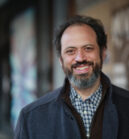

Guest appearances
Vinod KhoslaEvery podcast appearance, updated as new ones drop
Khosla Ventures founder, frequent podcast guest
- Episodes
- 72
- Shows
- 58
- Hours
- ~45
Tracked from 30 Oct 2007 to 4 Jun 2026
Recent guest appearances
Show 72 episodes — hide
- #479 — When Robots Take Over
Sam Harris speaks with Vinod Khosla about AI, economic disruption, and political risk. They discuss the prospect of mass job displacement, a trillion-dollar policy framework to redistribute AI's gains, the failure of the California wealth tax, the corporate capitulation to Trump, Elon Musk's embrace of white nationalist rhetoric, US-China competition, semiconductor dependence, and other topics. If the Making Sense podcast logo in your player is BLACK, you can SUBSCRIBE to gain access to all full-length episodes at samharris.org/subscribe.
- Vinod Khosla on the End of Jobs and the Future of Capitalism
Vinod Khosla on Why AI Could End Human Labor and Change Capitalism Forever Vinod Khosla joins Newcomer to discuss AI, capitalism, freedom, education, religion, and why he believes technology will fundamentally reshape how humans live and work. The legendary venture capitalist behind Sun Microsystems and early bets on OpenAI shares his thoughts on why AI could eliminate the need for traditional jobs, how capitalism may evolve in an AI-driven world, and why future generations may no longer need careers purely for survival. He also discusses Silicon Valley’s biggest blind spots, the future of education and creativity, human purpose after AI, why institutions are failing to adapt, and what comes next for entrepreneurship and innovation. Vinod also explains why he thinks most people underestimate the speed of AI progress, and what happens when intelligence becomes effectively unlimited. Subscribe for more conversations with the people shaping technology, media, startups, and culture.
- The end of work: Vinod Khosla's bold AI prediction | Titans and Disruptors
What if AI made your paycheck optional? Vinod Khosla, one of the world's greatest venture capitalists and an early backer of AI, believes the technology will take over 80% of labor, freeing humans to live on passion instead. His track record backs up the boldness, as early bets on OpenAI, DoorDash, Instacart, and Square have made him one of the most consequential investors of our time. In this episode of Titans, Khosla sits down with Fortune Editor-in-Chief Alyson Shontell to unpack his abundant vision for the AI future, what government policy should tackle for a more equitable 2040, and what the U.S. needs to do to win the global AI race. Learn more about your ad choices. Visit megaphone.fm/adchoices
- India AI Impact Summit: Vinod Khosla on Why 2047 Could Free Every Indian from Survival Work
What if every Indian had a personal doctor, a PhD agronomist, and a world-class tutor all free, all AI-powered, available tomorrow? Hosts Surabhi Agarwal and Swathi Moorthy talk to entrepreneur, investor Vinod Khosla on why he doesn't traffic in hypotheticals; he calls this India's most urgent opportunity. In a wide-ranging conversation, Khosla maps the turbulent decade ahead predicting political chaos between 2030 and 2040 as AI-driven job disruption collides with policy while arguing that curiosity and agency matter more than capital. He dismantles MAGA, challenges wealth inequality narratives, and delivers a sharp verdict: India's real constraint isn't talent or technology. It's investors who think too small. You can follow Swathi Moorthy on her social media: X and Linkedin You can follow Surabhi Agarwal on her Linkedin and X Check out other interesting episodes like: AI Impact Summit: Amazon's Bet on India's AI Future , Anthropic’s India Play , I ndia AI Impact Summit: Microsoft’s Brad Smith on Sovereignty, Scale and Skills , and much more . Catch the latest episode of ‘The Morning Brief’ on The Economic Times Online , Spotify , Apple Podcasts , JioSaavn , Amazon Music and Youtube . See omnystudio.com/listener for privacy information.
- Vinod Khosla on AI Interns, Trust, and Health Moonshots in the Age of Superintelligence
Recorded live at Apollo House 2026, this fireside chat captures a candid, in-the-room conversation between StartUp Health’s Unity Stoakes and entrepreneur, investor, and technologist Vinod Khosla of Khosla Ventures on AI’s accelerating impact on healthcare. Khosla explains why he believes AI is a platform shift larger than the internet or mobile, and how that shift could unlock access to high-quality care for billions. The conversation explores his “AI intern” model for healthcare, why copilots often underperform in complex clinical work, and why trust, supervision, and fit-for-purpose guardrails are essential. A live exchange with Esther Dyson adds perspective on empathy, communication, and the enduring human dimensions of care. As a live recording, the audio reflects the energy of the room rather than a studio setting. Do you want to participate in live conversations with industry luminaries? When you join the StartUp Health Network – a new private community for investors, buyers, and industry leaders to connect year-round with top health entrepreneurs – you are invited to a full calendar of interactive Fireside Chats with the most influential leaders shaping health innovation. Come with questions, learn what is working right now, and connect with industry icons. » Learn more and join today . Want more content like this? Sign up for StartUp Health Insider ™ to get funding insights, news, and special updates delivered to your inbox.
- Uncapped #40 | Vinod Khosla and Keith Rabois from Khosla Ventures
Vinod Khosla and Keith Rabois are Managing Directors at Khosla Ventures. Vinod is an entrepreneur, investor and technologist. In 2004, Vinod formed Khosla Ventures to focus on both for-profit and social impact investments that have included OpenAI, Stripe, DoorDash, Commonwealth Fusion Systems and many more. Vinod previously co-founded Daisy Systems, the first significant computer-aided design system for electrical engineers, which led to an IPO. He later went on to co-found Sun Microsystems in 1982, serving as its first chairman and CEO. After joining Kleiner Perkins Caulfield and Byers (KPCB), Vinod incubated the idea for Juniper Networks to take on Cisco System’s dominance of the router market. Keith is also currently the CEO of OpenStore and led the first institutional investments in DoorDash, Affirm, and Faire, invested early in Stripe, and co-founded Opendoor. While a General Partner at Founders Fund, he led investments in Ramp, Trade Republic, and Aven, and before that made early personal investments in YouTube, Airbnb, Palantir, Lyft, Udemy, and Eventbrite. Keith started his career in leadership roles at PayPal and LinkedIn before becoming COO of Square. --- Timestamps: (0:00) Intro (0:58) The working relationship (4:26) Pie chart on what’s discussed (7:11) Ethos of investors today vs yesterday (10:42) Comparing FF and KV (12:46) What makes a great founder (22:56) Alpha in today’s market (30:05) Themes within AI (38:23) AI companies built differently (46:23) Excitement outside of AI (53:12) Politically active on X (58:24) Evolution of political leanings --- More on Vinod: https://x.com/vkhosla https://www.khoslaventures.com/team/vinod-khosla More on Keith: https://x.com/rabois https://www.khoslaventures.com/team/keith-rabois More on Jack: https://www.altcap.com/ https://x.com/jaltma --- https://linktr.ee/uncappedpod Email: friends@uncappedpod.com
- Vinod Khosla on softening the blow from AGI, and other future bets
In this episode recorded live at TechCrunch Disrupt 2025, TechCrunch's editor-in-chief, Connie Loizos, talks with Vinod Khosla about entrepreneurship in the age of AI and the massive disruptions ahead. They discuss why Khosla believes every profession represents a startup opportunity, his investment thesis of building AI workers rather than tools, and why he asks entrepreneurs to envision their company in 2030 before anything else. Khosla also shares his prediction that Fortune 500 extinction rates will triple by 2035, his controversial idea for sharing corporate wealth through a national pool, and why he thinks we'll have a hugely deflationary economy with free healthcare, education, and legal services. They also cover his early bet on OpenAI, the collision course between AI and climate (which he disputes), his investments in fusion and super-hot geothermal energy, and why the Trump administration's immigration policies represent "the worst damage possible" for American innovation. Learn more about your ad choices. Visit megaphone.fm/adchoices
- Vinod Khosla on AI’s High Costs, Circular Financing, and Massive Energy Needs | Oct 22, 2025
Khosla Ventures' Vinod Khosla talks with TITV Host Akash Pasricha about AI's high costs, the risks in circular financing deals like those involving NVIDIA and Oracle, and the energy solutions to AI. We also talk with The Information's Ann Gehan about creator reaction to TikTok Shop's new advertising tool. Li Haslett Chen, Founder of Howl, discusses where AI can transform the shopping experience, noting returns as the biggest opportunity. Lastly, we get into rebuilding college for the AI era with Tade Oyerinde, Founder & Chancellor, and Jerome Pesenti, CTO, of Campus. Articles discussed on this episode: https://www.theinformation.com/articles/tiktok-shops-new-ad-policy-risks-alienating-merchants https://www.theinformation.com/articles/can-ai-deliver-shoppers-want TITV airs on YouTube, X and LinkedIn at 10AM PT / 1PM ET. Or check us out wherever you get your podcasts. Subscribe to: - The Information on YouTube: https://www.youtube.com/@theinformation4080/?sub_confirmation=1 - The Information: https://www.theinformation.com/subscribe_h Sign up for the AI Agenda newsletter: https://www.theinformation.com/features/ai-agenda
- From Deus Ex Medicina: Vinod Khosla, Bob Kocher & Annie Lamont
On this episode of the Newcomer podcast, host Eric Newcomer is joined by co-host Nayeema Raza for conversations with some of the most influential voices in healthcare and venture capital. Bob Kocher , Partner at Venrock, and Annie Lamont , Founder and Managing Partner of Oak HC/FT, share their perspectives on business models in healthcare, the rise of AI applications, the promise and pitfalls of longevity drugs like GLP-1s, and the future of Medicare Advantage. Later, Vinod Khosla , Founder of Khosla Ventures, brings his trademark candor to a wide-ranging discussion about AI’s role in healthcare, regulatory challenges, global competition, and how startups can reimagine the system from the ground up
- Vinod Khosla: College Degrees Are Becoming Useless | People by WTF | Episode 12
When I was starting out, this is the kind of conversation I wish I had access to. I sat down with Vinod Khosla, one of the sharpest minds in venture, and asked him the questions every young founder has on their mind. What industries will matter in 2035? Should you build for cities, small towns, or somewhere no one’s looking yet? Also listeners! Just a heads up that we recorded this episode on July 7, 2025, so some details might have changed since then. #NikhilKamath - Investor & Entrepreneur Twitter: https://x.com/nikhilkamathcio LinkedIn: / nikhilkamathcio Instagram: / nikhilkamathcio Facebook: / nikhilkamathcio #VinodKhosla - Co-founder, Sun Microsystems & Founder, Khosla Ventures Twitter: https://x.com/vkhosla LinkedIN: / vinod-khosla-65387416 Timestamps: 00:00 - Intro 01:10 - Vinod’s Early Life & Tech Fascination 04:43 - What Part of Vinod’s Education Shaped Him Most? 06:17 - Why Certainty is Overrated 09:46 - Investor Mindsets: Skeptic vs Contrarian 13:36 - Identity, Purpose & Persistence 19:47 - What Still Drives Vinod at 70? 27:15 - Why Cities Need Fewer Cars 30:20 - AI: Bad For Big Cities & Good For Small Towns? 32:19 - Vinod’s Best Advice to Young Founders 37:55 - Generalist or Specialist: What’s Better? 43:03 - Post AI World: Free Education & Healthcare? 48:40 - Will AI Make A Free Stanford Education Possible? 55:03 - A Deflated Economy in an AI World 1:00:53 - Why Strategic Entrepreneurs Win 1:05:44 - Speculation vs Adaptation: What Helps You Win? 1:08:25 - Will All Mobility Be Electric? 1:10:09 - Why Passion Matters More Than People Think 1:13:02 - Are We in an AI Bubble? 1:16:48 - What Blockchain is Really Good At 1:20:35 - Will India’s IT Sector Survive the AI Shift? 1:21:51 - Outro Watch 'WTF is' Podcast on Spotify https://tinyurl.com/4nsm4ezn <
- Nikhil Kamath x Vinod Khosla, Iconic Silicon Valley VC | People by WTF | Ep. 12 Trailer
In this upcoming episode, I sat down with Vinod Khosla, Sun Microsystems Co-founder and Founder of Khosla Ventures to find out where tomorrow’s big bets lie and why contrarian thinking still pays off. #NikhilKamath - Investor & Entrepreneur Twitter: https://x.com/nikhilkamathcio LinkedIn: / nikhilkamathcio Instagram: / nikhilkamathcio Facebook: / nikhilkamathcio #VinodKhosla - Co-founder, Sun Microsystems & Founder, Khosla Ventures Twitter: https://x.com/vkhosla LinkedIN: / vinod-khosla-65387416 Watch 'WTF is' Podcast on Spotify https://tinyurl.com/4nsm4ezn Watch 'People by WTF' Podcast on Spotify https://tinyurl.com/yme92c59 Watch 'WTF Online' on Spotify https://tinyurl.com/4tjua4th #WTFiswithnikhilkamath #PeopleByWTF #WTFOnline
- OpenAI investor Vinod Khosla reveals BIGGEST risk
Billionaire venture capitalist Vinod Khosla believes the greatest risk of artificial intelligence is not the technology itself, but who holds its power. In this interview we discuss how AI could create value and war. See omnystudio.com/listener for privacy information.
- Uncapped #15 | Vinod Khosla from Khosla Ventures
Vinod Khosla is an entrepreneur, investor and technologist. In 2004, Vinod formed Khosla Ventures to focus on both for-profit and social impact investments that have included OpenAI, Stripe, DoorDash, Commonwealth Fusion Systems and many more. After graduating college, Vinod co-founded Daisy Systems, the first significant computer-aided design system for electrical engineers, which led to an IPO. He later went on to co-found Sun Microsystems in 1982, serving as its first chairman and CEO. After joining Kleiner Perkins Caulfield and Byers (KPCB), Vinod intubated the idea for Juniper Networks to take on Cisco System’s dominance of the router market, a company that would give KPCB a 2,500x return on its early investment. Vinod is driven by the belief that technology is a positive force multiplier to accelerate societal reinvention in food, health, climate, energy transportation, education, housing finance, media, retail and entertainment for billions around the globe. His greatest passion lies in being a mentor to entrepreneurs who are building companies to tackle society’s largest challenges. We covered: Uncanny ability to predict the future AI generating a new era of abundance Future of energy, transportation and medicine Increasing the consequence of success Khosla’s approach to venture Instigating change --- Timestamps: (0:00) Intro (0:26) Craziness of the current cycle (5:54) Predictions of the future (9:35) Role of humans with AI (16:20) Potential AI dystopia (23:18) Investing in OpenAI (33:21) Robotics being next (39:53) Incumbents not innovating (42:29) Mindset around risk (44:14) Bull case for energy (50:22) New transportation (54:18) Future of medicine (1:03:00) A different type of enjoyment (1:05:40) Approaches to venture (1:12:13) Khosla’s operating principles (1:16:17) Staying energized --- Linktree: https://linktr.ee/uncappedpod Twitter: https://x.com/jaltma Email: friends@uncappedpod.com
- Creating Stars in a Bottle: The Race to Commercialize Fusion Energy (Vinod Khosla & Bob Mumgaard)
While the world fights over chips, one company is building the power supply to run them all. In this episode of The Generalist, I'm joined by Bob Mumgaard, CEO and co-founder of Commonwealth Fusion Systems (CFS), and Vinod Khosla, legendary venture capitalist and founder of Khosla Ventures. With over 800 employees and $2 billion in funding, CFS has accelerated the timeline for commercial fusion from being perpetually "30 years away" to potentially just a few years out. If CFS succeeds, it will unlock limitless clean energy for humanity, powering everything from AI to water desalination. In our conversation, we explore: • How fusion could transform everything from AI to water desalination and agriculture • The fundamental science behind fusion energy and how it differs from traditional nuclear fission • The breakthrough in magnet technology that changed the timeline for fusion • The strategic approach of partnering with existing power plant operators to rapidly scale fusion deployment • Why fusion is essential for powering AI and other energy-intensive innovations • CFS’s method for creating fusion using magnetic fields • The final hurdles to completing SPARC, the company’s demonstration reactor • The six-stage roadmap for fusion development, where CFS currently stands, and when they expect to begin delivering power to the grid • What clean energy could make possible for future technologies and industries • The geopolitical implications of a world with abundant clean energy • Much more — Thank you to the partners who make this possible Brex : The banking solution for startups. Generalist+ : Essential intelligence for modern investors and technologists. — Timestamps (00:00) Intro (04:13) An overview of fusion energy, and why it’s so important (08:23) The connection between AI and fusion energy (10:20) How Bob became interested in fusion (13:06) The importance of entrepreneurs in bringing crazy ideas to life (14:55) The advancement in magnets that caused the leap in fusion technology (17:33) The extreme conditions required for fusion (19:46) What made Vinod interested in funding CFS (21:30) The alternatives that CFS looked at if the magnet hadn’t worked (25:18) Different methods for creating fusion (27:43) Bob’s entrepreneurial lens for fusion at scale (31:52) CFS’s strategy of partnering with existing power infrastructure (35:32) An overview of ARC and SPARC (40:03) Final hurdles to complete SPARC (42:29) The six-stage roadmap for fusion development (46:11) What clean energy unlocks (48:06) Entrepreneurial opportunities for supporting fusion power (50:43) Final meditations — Follow Vinod Khosla LinkedIn: https://www.linkedin.com/in/vinod-khosla-65387416/ X: https://x.com/vkhosla — Follow Bob Mumgaard LinkedIn: https://www.linkedin.com/in/mumgaard/ X: https://x.com/BobMumgaard — Resources and episode mentions —Books— • Unweaving The Rainbow: Science, Delusion and the Appetite for Wonder: https://www.amazon.com/Unweaving-Rainbow-Science-Delusion-Appetite/dp/0618056734 <
- Investing in the age of AI, part 1: Vinod Khosla
Vinod Khosla is one of the leading investors and technologists of our time, consistently making Forbes’ Midas List (basically the Oscars for venture investors) as head of Khosla Ventures. He was an early innovator in the world of computer chips and an early investor in OpenAI, as well as backing successes like DoorDash, Stripe, and Headspace. We unpack Vinod’s investment thesis, his utopic vision for our future, and how he thinks founders in AI and beyond can build a winning strategy. Plus we dive into OpenAI’s plans to restructure, what it means for the company and the AI landscape, with Fortune AI editor Jeremy Kahn. Learn more about Pioneers of AI: http://pioneersof.ai/ Follow Pioneers of AI on all channels: https://linktr.ee/pioneersofai At the center of AI is people, so we want to hear from you! Share your experiences with AI — or ask us a burning question — by leaving a voicemail at 601-633-2424. Your voice could be featured in a future episode! See Privacy Policy at https://art19.com/privacy and California Privacy Notice at https://art19.com/privacy#do-not-sell-my-info .
- FHC #173: Before ChatGPT, Vinod Khosla predicted healthcare’s AI revolution
In this week’s Fixing Healthcare podcast, co-hosts Dr. Robert Pearl and Jeremy Corr flash back to a pivotal interview recorded in December 2021 with famed venture capitalist Vinod Khosla. Season 10 of the show is dedicated to exploring how technology can reshape American medicine. What better way to reflect on the promises and pitfalls of healthcare innovation than by revisiting Khosla’s bold predictions—made a full year before the release of ChatGPT. As an early investor in OpenAI and a tech visionary, Khosla discussed the transformative potential of AI, telemedicine and digital health platforms long before the current explosion of interest. “The most expensive part of the system is expertise,” Khosla told listeners. “And expertise can relatively be tamed with technology and AI.” In this flashback episode ( #40 if you’re looking for the original airing ), Khosla outlines how technology could bolster specialist access for rural communities, slash the cost of chronic disease care and eventually disrupt traditional hospital-centered healthcare systems. Dr. Pearl and Jeremy Corr encourage listeners to pair this 2021 conversation with Khosla’s more recent appearance on the show ( episode #153 ), offering an opportunity to compare past predictions with today’s emerging realities. Helpful links: Vinod Khosla: How venture-backed tech is transforming U.S. healthcare (FHC #153) ChatGPT, MD: How AI-Empowered Patients & Doctors Can Take Back Control of American Medicine (Pearl’s newest book) Khosla Ventures (Official Site) * * * Fixing Healthcare is a co-production of Dr. Robert Pearl and Jeremy Corr . Subscribe to the show via Apple, Spotify, Stitcher or wherever you find podcasts. Join the conversation or suggest a guest by following the show on Twitter and LinkedIn . The post FHC #173: Before ChatGPT, Vinod Khosla predicted healthcare’s AI revolution appeared first on Fixing Healthcare .
- AI Entrepreneurs Q&A: How Every Industry Is About to Be Transformed by Humanoids w/ Vinod Khosla & Brett Adcock | EP #160
In this episode, recorded at the 2025 Abundance Summit, Vinod, Brett, & Peter dive into a Q&A on the future of humanoid robots, transport, and more. Recorded on March 11th, 2025 Views are my own thoughts; not Financial, Medical, or Legal Advice. Vinod Khosla is an Indian-American entrepreneur and venture capitalist. He co-founded Sun Microsystems in 1982, serving as its first chairman and CEO. In 2004, he founded Khosla Ventures, focusing on technology and social impact investments. As of January 2025, his net worth is estimated at $9.2 billion. He is known for his bold bets on transformative innovations in fields like AI, robotics, healthcare, and clean energy. With a deep belief in abundance and the power of technology to solve global challenges, Khosla continues to shape the future through visionary investing. Brett Adcock is an American technology entrepreneur and the founder of Figure, an AI robotics company developing general-purpose humanoid robots designed to perform human-like tasks in both industrial and home settings. In 2023, he also founded Cover, an AI security company focused on building weapon detection systems for schools. Previously, Brett founded Archer Aviation, an urban air mobility company that went public at a valuation of $2.7 billion, and Vettery, a machine learning-based talent marketplace acquired for $110 million. Learn about Figure: https://www.figure.ai/ Learn more about Vinod: https://www.khoslaventures.com/ Learn more about Abundance360: https://bit.ly/ABUNDANCE360 For free access to the Abundance Summit Summary click: diamandis.com/breakthroughs ____________ I only endorse products and services I personally use. To see what they are, please support this podcast by checking out our sponsors: Get started with Fountain Life and become the CEO of your health: https://fountainlife.com/peter/ AI-powered precision diagnosis you NEED for a healthy gut: https://www.viome.com/peter Get 15% off OneSkin with the code PETER at https://www.oneskin.co/ #oneskinpod ____________ I send weekly emails with the latest insights and trends on today’s and tomorrow’s exponential technologies. Stay ahead of the curve, and sign up now: Blog _____________ Connect With Peter: Twitter Instagram Youtube Moonshots Learn more about your ad choices. Visit megaphone.fm/adchoices
- Why I Backed OpenAI, AGI, & the Zero to One Team | Vinod Khosla
In this episode of Minus One, Vinod Khosla joins Aditya Agarwal to reflect on his four-decade journey shaping Silicon Valley. They discuss making high-conviction bets, why the team you build becomes the company you build, Khosla’s first investment in OpenAI, and why he is convinced that AGI sits among us now. Apply to SPC: https://www.southparkcommons.com/apply Connect with us here: Vinod Khosla- https://www.linkedin.com/in/vinod-khosla-65387416/ Aditya Agarwal- https://www.linkedin.com/in/adityaagarwal3/ South Park Commons – https://www.linkedin.com/company/southparkcommons/ 00:00 Trailer 00:58 Introduction 01:53 Aligned values 07:59 The early conviction 11:29 Did Silicon Valley lost its edge? 14:46 10x better 16:21 Top down or bottoms up 19:45 What does a great investor look like 23:17 What's not going well 25:41 AI and a belief system 38:23 AGI and the future generation 40:46 Reasoning model 46:55 Consequences of success 49:24 Questions and answers 55:57 Outro
- AI Venture Capitalist: These Tech Predictions Will Change Everything by 2030 w/ Vinod Khosla | EP #159
In this episode, recorded at the 2025 Abundance Summit, Vinod Khosla explores how AI will make expertise essentially free, why robots could surpass the auto industry, and how technologies like geothermal and fusion will reshape our energy landscape. Recorded on March 11th, 2025 Views are my own thoughts; not Financial, Medical, or Legal Advice. Vinod Khosla is an Indian-American entrepreneur and venture capitalist. He co-founded Sun Microsystems in 1982, serving as its first chairman and CEO. In 2004, he founded Khosla Ventures, focusing on technology and social impact investments. As of January 2025, his net worth is estimated at $9.2 billion. He is known for his bold bets on transformative innovations in fields like AI, robotics, healthcare, and clean energy. With a deep belief in abundance and the power of technology to solve global challenges, Khosla continues to shape the future through visionary investing. Learn more about Vinod: https://www.khoslaventures.com/ Learn more about Abundance360: https://bit.ly/ABUNDANCE360 For free access to the Abundance Summit Summary click: diamandis.com/breakthroughs ____________ I only endorse products and services I personally use. To see what they are, please support this podcast by checking out our sponsors: Get started with Fountain Life and become the CEO of your health: https://fountainlife.com/peter/ AI-powered precision diagnosis you NEED for a healthy gut: https://www.viome.com/peter Get 15% off OneSkin with the code PETER at https://www.oneskin.co/ #oneskinpod ____________ I send weekly emails with the latest insights and trends on today’s and tomorrow’s exponential technologies. Stay ahead of the curve, and sign up now: Blog _____________ Connect With Peter: Twitter Instagram Youtube Moonshots Learn more about your ad choices. Visit megaphone.fm/adchoices
- Scaling solutions for the climate crisis, with Vinod Khosla
Tech titan Vinod Khosla argues that a dozen extraordinary entrepreneurs could make all the difference in combatting climate change. He spoke with host Jeff Berman live at the Masters of Scale Summit in October. Khosla shares insights as an investor and details his techno-optimist view on what the future may hold. You can find Vinod's essay "AI: Dystopia or Utopia?" here: https://www.khoslaventures.com/ai-dystopia-or-utopia/ See Privacy Policy at https://art19.com/privacy and California Privacy Notice at https://art19.com/privacy#do-not-sell-my-info .
- FHC #153: Vinod Khosla on AI, disruption & the future of medicine
In the latest episode of Fixing Healthcare , hosts Dr. Robert Pearl and Jeremy Corr welcome back Vinod Khosla , legendary investor and co-founder of Sun Microsystems, to discuss the transformative impact of artificial intelligence on healthcare. As the head of Khosla Ventures and an early investor in OpenAI , Khosla brings a unique perspective to the potential and challenges AI presents in medicine. This interview is part of the show’s tenth season, which focuses on the future of technology in healthcare—the central focus of Dr. Pearl’s newest book ChatGPT, MD: How AI-Empowered Patients & Doctors Can Take Back Control of American Medicine , with all profits going to Doctors Without Borders. Khosla, known for his bold, often disruptive views on tech, shares a vision for AI-driven solutions that have the potential to reshape medical practice. Here are three key insights from the episode: 1. AI as an amplifier of physician capabilities Khosla envisions a future where every physician could work with multiple “AI interns” to handle routine tasks, analyze data and assist in diagnostics. He argues that AI has the potential to vastly expand physician capacity, allowing doctors to provide more preventive and personalized care. 2. Continuous, AI-driven patient monitoring With AI-enabled systems, Khosla sees healthcare shifting from reactive, episodic care to proactive, continuous monitoring. He believes wearable devices and AI models will enable real-time patient data analysis, catching health issues early and reducing the need for costly interventions. 3. The power of startups in driving healthcare innovation Khosla emphasizes that true innovation often comes from entrepreneurial startups rather than established companies. He advocates for partnerships between startups and large healthcare organizations to scale transformative technologies, noting that small, agile teams can push boundaries more effectively. Tune in to hear Khosla’s bold predictions for the future of medicine, along with his advice for physicians, healthcare leader, and entrepreneurs seeking to navigate the chaos of American healthcare. * * * Fixing Healthcare is a co-production of Dr. Robert Pearl and Jeremy Corr . Subscribe to the show via Apple, Spotify, Stitcher or wherever you find podcasts. Join the conversation or suggest a guest by following the show on Twitter and LinkedIn . The post FHC #153: Vinod Khosla on AI, disruption & the future of medicine appeared first on Fixing Healthcare .
- Live from Disrupt: Vinod Khosla Is Optimistic about AI despite the Risks
Connie talks to legendary venture capitalist Vinod Khosla , founder and managing director at Khosla Ventures.
- AI: Revolution, Innovation, and Society – Perspectives from Vinod Khosla & Marc Andreessen
In this episode of Intelligent Insights , we explore the transformative power of AI through the visionary perspectives of Vinod Khosla and Marc Andreessen. We delve into AI’s exponential growth, its revolutionary impacts across sectors, and the importance of improbable ideas in fostering groundbreaking innovations. With discussions on societal and economic implications—like job displacement and policy needs—this episode examines the adaptability, first-principles thinking, and persistence required to navigate the fast-evolving landscape of AI and unlock its full potential.
- HIGHLIGHTS: Vinod Khosla
We've curated a special 10-minute version of the podcast for those in a hurry. Here you can listen to the full episode: https://podcasts.apple.com/no/podcast/vinod-khosla-future-trends-and-the-power-of-the-improbable/id1614211565?i=1000674090066 Why is the improbable so important? Will robots replace human labor? And how will AI change the science of medicine? In this episode of In Good Company , Nicolai sits down with one of the most successful entrepreneurs and venture capital investors of all time, Vinod Khosla. Co-founder of Sun Microsystems and founder of Khosla Ventures, Vinod shares his thoughts on investing in transformative technologies, the importance of taking bold risks, and the power of focusing on what seems improbable. Tune in to hear Vinod's philosophy on the future of robotics, clean energy artificial intelligence and more. In Good Company is hosted by Nicolai Tangen, CEO of Norges Bank Investment Management. New full episodes every Wednesday, and don't miss our Highlight episodes every Friday. Watch the episode on YouTube: Norges Bank Investment Management - YouTube Want to learn more about the fund? The fund | Norges Bank Investment Management (nbim.no) Follow Nicolai Tangen on LinkedIn: Nicolai Tangen | LinkedIn Follow NBIM on LinkedIn: Norges Bank Investment Management: Administrator for bedriftsside | LinkedIn Follow NBIM on Instagram: Explore Norges Bank Investment Management on Instagram Hosted on Acast. See acast.com/privacy for more information.
- Vinod Khosla is trying to change Elon Musk’s mind on Trump, the economy and climate
As Republican and Democratic canvassers make their final push to get out the US vote, the famed tech investor Vinod Khosla has been making the case for Vice President Kamala Harris with a very specific audience in mind: Elon Musk. On the social media platform owned by his fellow billionaire, Khosla has pressed the case in a series of X posts that former President Donald Trump is the wrong candidate for the future of the planet. Although Khosla is a former Republican, he says in an interview that he will be voting for Harris. But he doesn’t expect tech investors to see much fallout no matter who wins. “I don't think there'll be any difference in policy between the two when it comes to tech.” Explore further: Past episode with Liam Denning on whether Tesla is on the road to irrelevance Past episode with Jen Dlouhy about how Kamala Harris and Donald Trump’s climate plans differ Past episode with Bill Gates about why he is investing into nuclear power Zero is a production of Bloomberg Green . Our producer is Mythili Rao. This episode was mixed by Blake Maples. Special thanks to Siobhan Wagner, Jessica Beck, Ethan Steinberg, Monique Mulima, Angel Recio, Michelle Ma and Biz Carson. Thoughts or suggestions? Email us at zeropod@bloomberg.net. For more coverage of climate change and solutions, visit https://www.bloomberg.com/green . See omnystudio.com/listener for privacy information.
- Vinod Khosla: Future Trends and the Power of the Improbable
Why is the improbable so important? Will robots replace human labor? And how will AI change the science of medicine? In this episode of In Good Company , Nicolai sits down with one of the most successful entrepreneurs and venture capital investors of all time, Vinod Khosla. Co-founder of Sun Microsystems and founder of Khosla Ventures, Vinod shares his thoughts on investing in transformative technologies, the importance of taking bold risks, and the power of focusing on what seems improbable. Tune in to hear Vinod's philosophy on the future of robotics, clean energy artificial intelligence and more. In Good Company is hosted by Nicolai Tangen, CEO of Norges Bank Investment Management. New episode out every Wednesday. The production team for this episode includes PLAN-B's Pål Huuse and Niklas Figenschau Johansen. Background research was conducted by Une Solheim. Watch the episode on YouTube: Norges Bank Investment Management - YouTube Want to learn more about the fund? The fund | Norges Bank Investment Management (nbim.no) Follow Nicolai Tangen on LinkedIn: Nicolai Tangen | LinkedIn Follow NBIM on LinkedIn: Norges Bank Investment Management: Administrator for bedriftsside | LinkedIn Follow NBIM on Instagram: Explore Norges Bank Investment Management on Instagram Hosted on Acast. See acast.com/privacy for more information.
- Vinod Khosla, on why he backed OpenAI, founding SUN, picking the right ideas, his philosophy, & more
Vinod is one of the most talented and accomplished investors of our time! We discussed his approach to identifying the right deals, based on the scale of impact they will have positively in the world and the most important lessons for entrepreneurs from his path. His journey wasn't easy, having immigrated to the US from India and learning to navigate a different environment. From an entrepreneurial standpoint, Vinod's creation of Sun Microsystems was revolutionary to the world, ushering in the programming language Java as he hustled to sell servers to universities. His business talent shined and he took the company to $1B in annual sales in only a couple years. Vinod's creation of Khosla Ventures has been as impactful as his company creations. He was an early backer of OpenAI, had the foresight that AI for consumer would be significant with a realistic chat experience, and now manages around $15B at the fund. He has done so much good for the world through his pursuits and keeps trying to impact the world positively. Vinod highlights the most important steps in his path, shares interesting teachings for young entrepreneurs getting started, what he looks for in new investments, how he weighs risk vs reward, and much more!
- When Computers Learn Humans (Not the Other Way Around) | VC Vinod Khosla
In this episode, Halle Tecco talks to Vinod Khosla— visionary venture capitalist, tech entrepreneur, and healthcare investor. Vinod shares his vision for using AI to enable a hundred touchpoints every hundred days with a patient. We discuss making healthcare more accessible, enabling personalized care, and what he worries could go wrong. We cover: Revisiting his 2012 prediction that AI could replace 80% of what doctors do and more How AI will enable computers to learn and adapt to humans, not the other way around The potential for AI to replicate expertise, reduce misdiagnosis, and guide patients to the most effective treatments How changing billing codes is key to AI adoption in healthcare Real-world examples of AI in action, from mental health intake interviews to cardiac MRI analysis The importance of guardrails and being vigilant about unintended consequences as AI advances rapidly Advice for healthcare founders on solving hard problems in healthcare Show notes: Vinod’s 2012 article “ Do We Need Doctors Or Algorithms? ” Vinod’s recent TED Talk: 12 predictions for the future of technology WSJ article mentioned: Insurers Pocketed $50 Billion From Medicare for Diseases No Doctor Treated Follow Vinod on X. See Privacy Policy at https://art19.com/privacy and California Privacy Notice at https://art19.com/privacy#do-not-sell-my-info .
- 12 predictions for the future of technology | Vinod Khosla
Techno-optimist Vinod Khosla believes in the world-changing power of "foolish ideas." He offers 12 bold predictions for the future of technology — from preventative medicine to car-free cities to planes that get us from New York to London in 90 minutes — and shows why a world of abundance awaits. Hosted on Acast. See acast.com/privacy for more information.
- Vinod Khosla: What's Ahead in the Age of AI
Legendary technology founder and venture capital investor Vinod Khosla joins host Michael Marks for a wide-ranging discussion on the future of Artificial Intelligence, major tech cycles, and much more. Vinod shares his predictions for the next 25 years of technology advancement and how we should be assessing the risks and benefits as the adoption of AI continues to accelerate. He shares his views on founder friendly and why "hypocritical politeness" is so common in Silicon Valley. Vinod co-founded Sun Microsystems and helped create several technology companies before founding Khosla Ventures in 2004. The firm has since invested in countless game-changing technology companies including OpenAI, Doordash, Impossible Foods, Rubrik, and others.
Stay in the loop
Get Vinod Khosla's next appearance by email
No app to install. We email you as soon as a new guest spot drops.
Prefer it in your podcast app? Add a private feed →
GuestVine has tracked 72 guest episodes from Vinod Khosla across 58 shows — about 45 hours of listening, going back to October 2007. Every episode links straight to the original publisher's audio.
Vinod Khosla shows up most often on StartUp Health NOW Podcast (3 episodes), with visits to Venture Capital & Finance – Fresh Dialogues and Newcomer Pod. The conversations mostly sit in Business & Finance territory.
Most recent: “#479 — When Robots Take Over” on Making Sense with Sam Harris, 4 Jun 2026.
Podcasts Vinod Khosla has appeared on
The shows with the most detected Vinod Khosla guest appearances.
- StartUp Health NOW PodcastLatest appearance: 6 Feb 20263 episodes
- Venture Capital & Finance – Fresh DialoguesLatest appearance: 3 Jun 20103 episodes
- Newcomer PodLatest appearance: 12 May 20262 episodes
- Uncapped with Jack AltmanLatest appearance: 21 Jan 20262 episodes
- StrictlyVC DownloadLatest appearance: 7 Nov 20252 episodes
- People by WTFLatest appearance: 2 Aug 20252 episodes
- Markets with MadisonLatest appearance: 1 Jul 20252 episodes
- Fixing Healthcare PodcastLatest appearance: 30 Apr 20252 episodes
Appearance timeline
How often Vinod Khosla has guested over time — by year, from tracked appearances.
Vinod Khosla has appeared on 72 recent podcast episodes across 58 different shows. GuestVine keeps this list complete and up to date — new appearances are added automatically and delivered to the podcast player you already use.
Frequently asked
- What podcasts has Vinod Khosla been on?
- Vinod Khosla has appeared on 72 recent podcast episodes across 58 shows, including StartUp Health NOW Podcast, Venture Capital & Finance – Fresh Dialogues, Newcomer Pod.
- What is Vinod Khosla's latest podcast appearance?
- The latest detected appearance is “#479 — When Robots Take Over” on Making Sense with Sam Harris, published 4 Jun 2026.
- How many hours of Vinod Khosla podcast interviews are there?
- GuestVine has tracked about 45 hours of Vinod Khosla guest appearances across 72 episodes, going back to 30 Oct 2007.
- How does GuestVine keep this list updated?
- GuestVine tracks delivered guest appearances, excludes own-show episodes where possible, and links back to the original publisher audio. New appearances are added automatically as they are detected.
Are you Vinod? Add your live appearances to your site →
This page updates automatically every time Vinod guests on a podcast. Link it from your site or bio so your audience always finds your latest appearances — and share it anywhere:
Paste this link into your site
<a href="https://guestvine.fm/p/vinod-khosla">Vinod Khosla — podcast appearances</a>
.jpg?width=96)